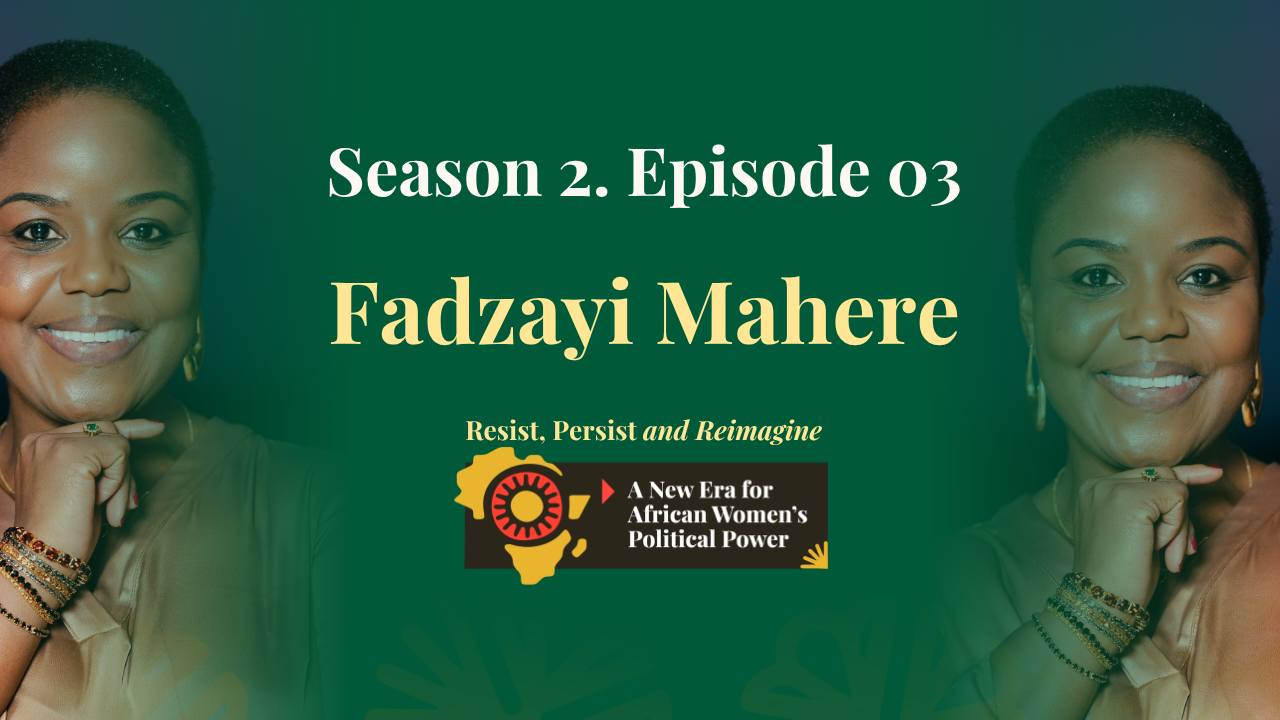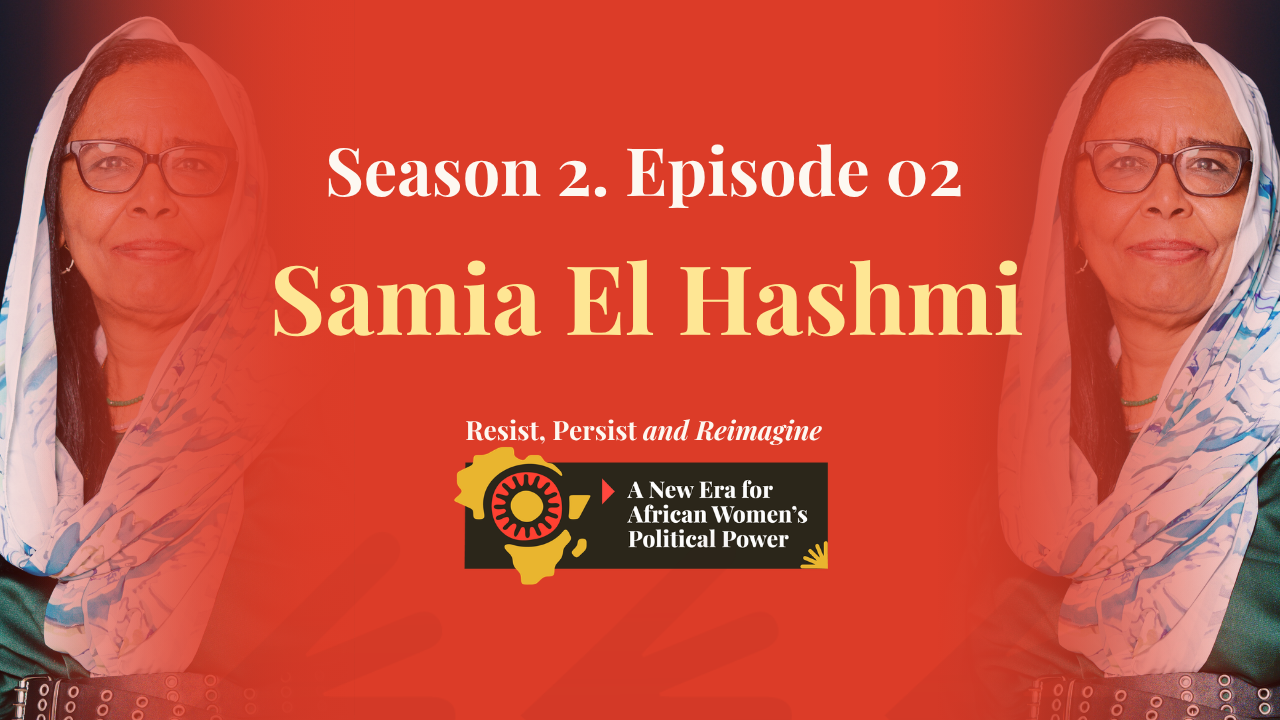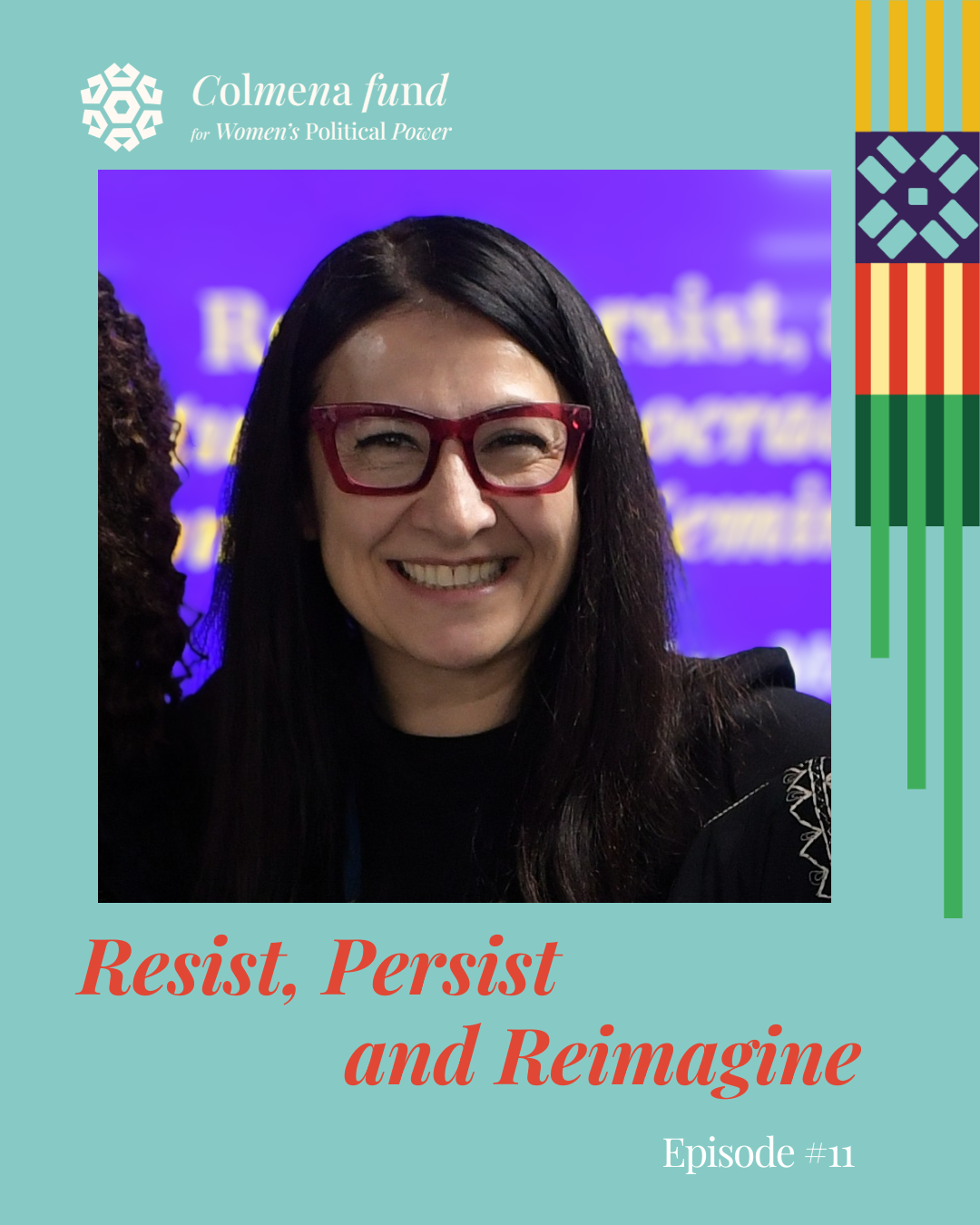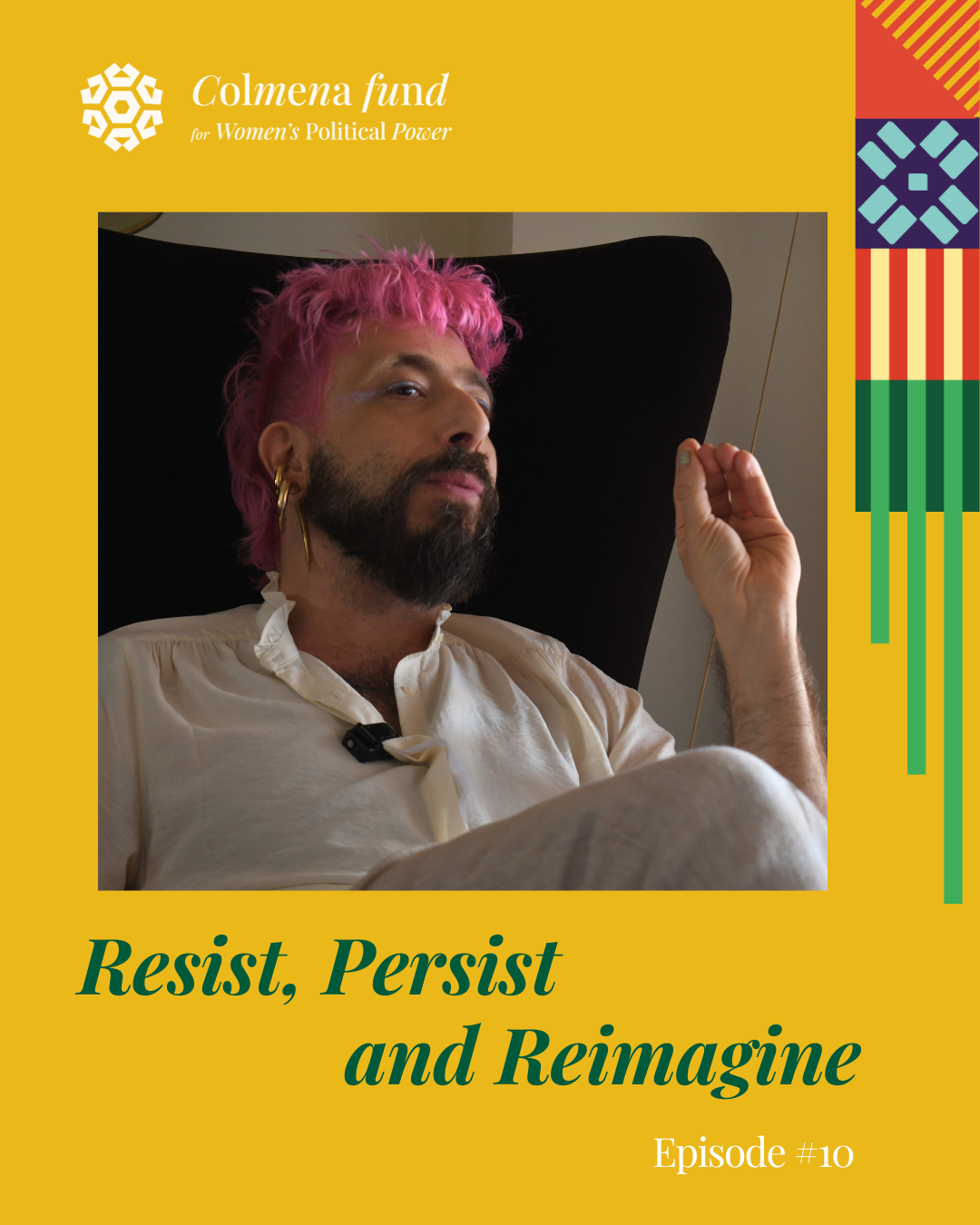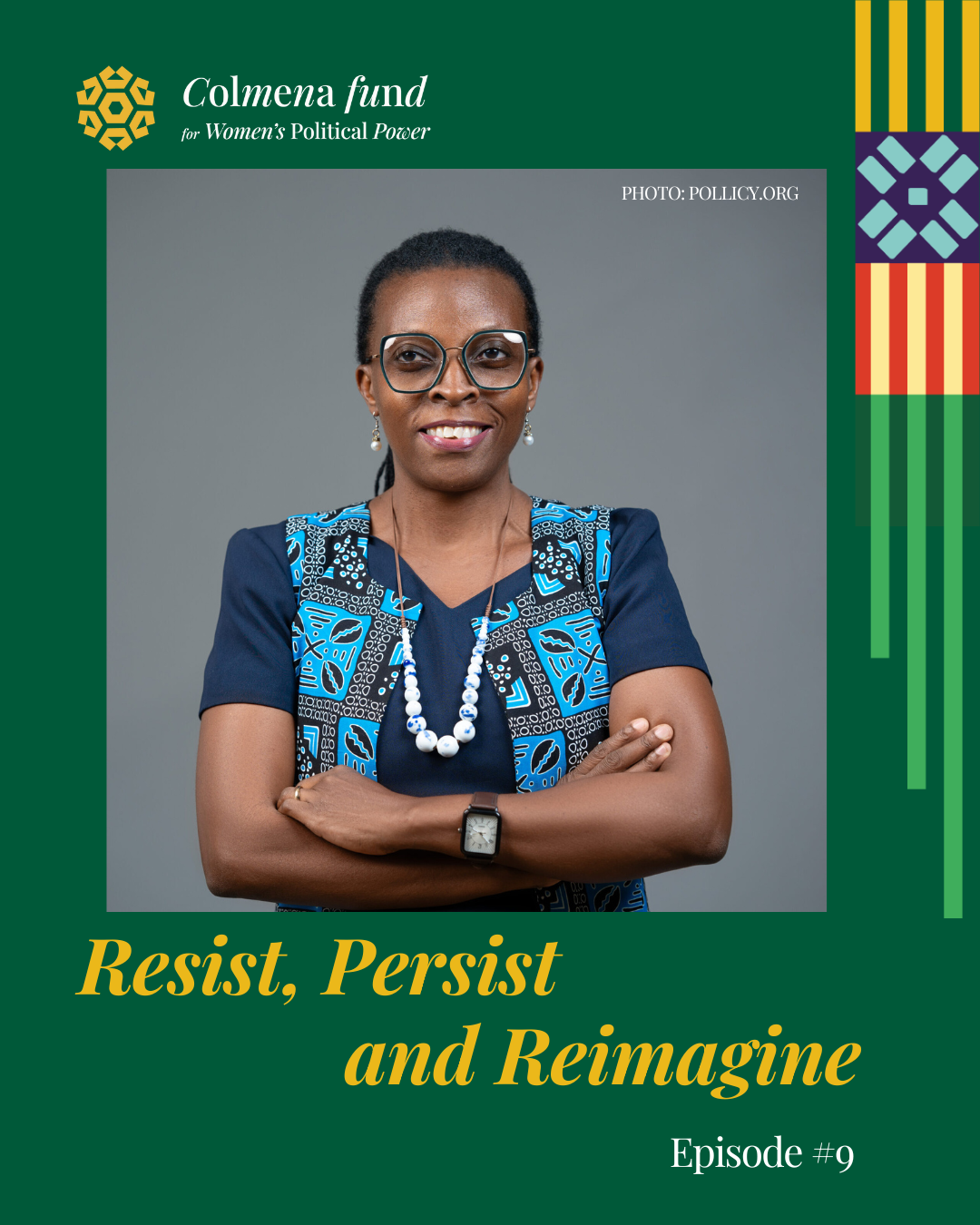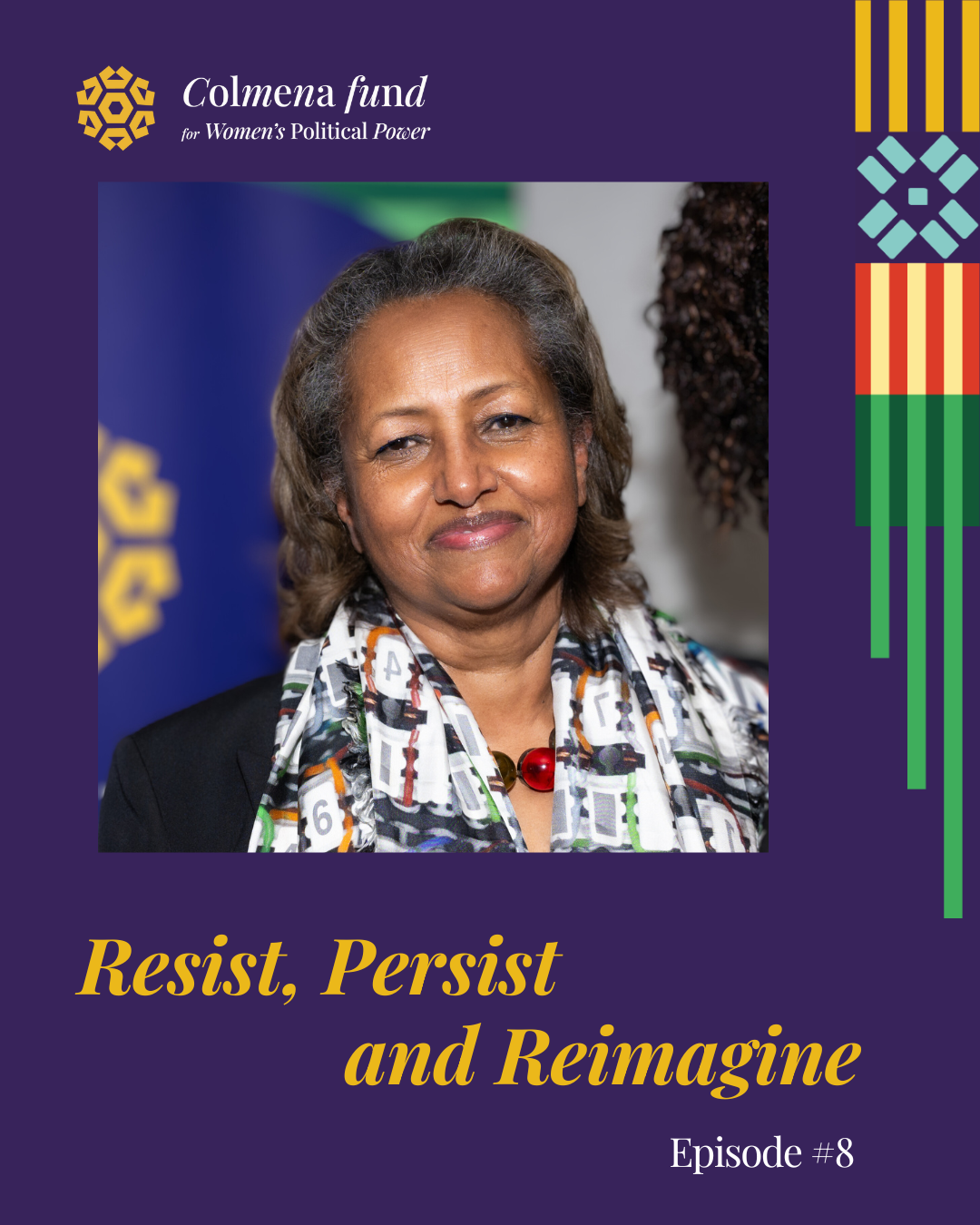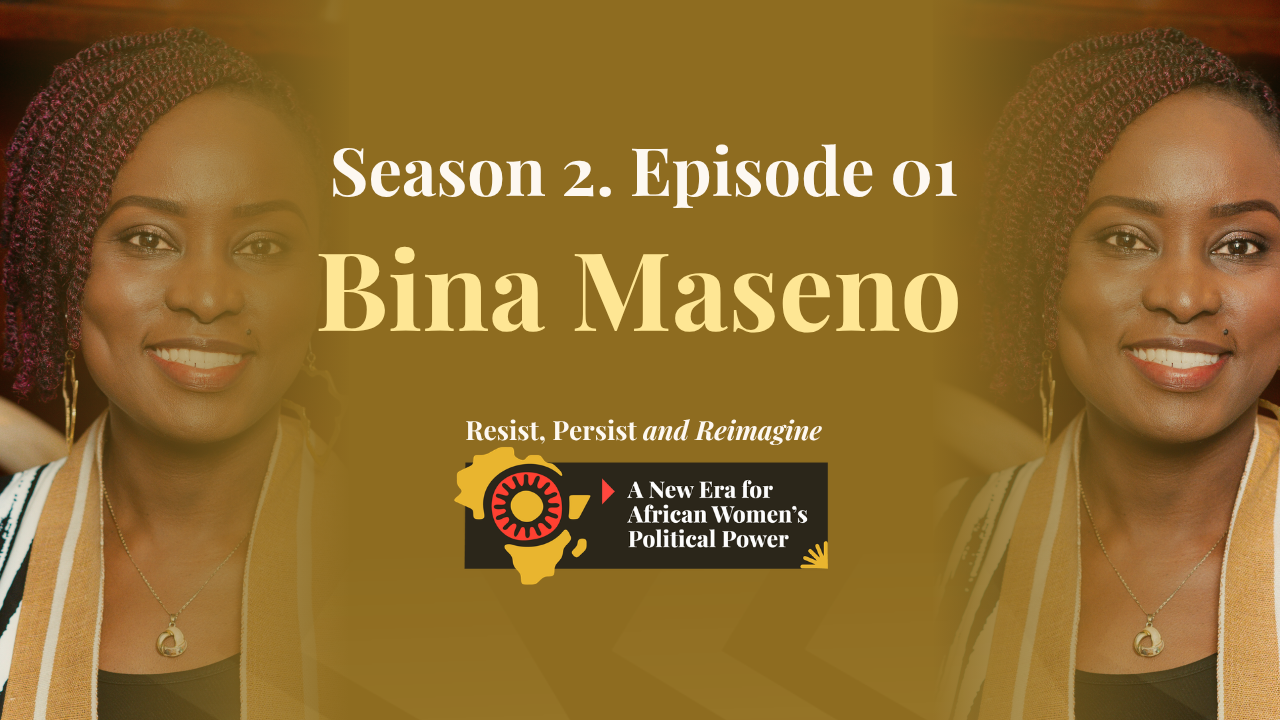
In a continent where the median age is 20, the average politician is 63. The exclusion of young people, and specifically young women, from power is not an accident; it is a structural design. On the first episode of Season 2 of Colmena Fund’s Resist, Persist, and Reimagine podcast, we sat down with Bina Maseno, the founder and president of Badili Africa.
A former journalist and political aspirant who ran for office in Kenya at just 22 years old, Bina is now building the infrastructure to ensure the next generation of African women doesn’t just survive the political arena, but transforms it.
Here is how Bina Maseno and Badili Africa are reclaiming political space for women.
Confronting the “Male Look” of Power
For too long, political legitimacy in Africa has been male coded. As Bina explains, “Politics has a look. Politics has a language… and it is male”. When young women step into this arena, they face a “double marginalization.” They are dismissed by the Youth Leagues (male-dominated) and sidelined by the Women’s Leagues (dominated by senior women).
This exclusion is enforced through violence —from online trolling to physical assaults at rallies— designed to silence women before they even speak. But Bina’s message is clear: we are not waiting for an invitation to a table that was never built for us. We are building our own.
Radicalizing the “Glam Session”: Meeting Women Where They Are
The movement for democracy cannot be restricted to civil society boardrooms. Bina realized that traditional “democracy dialogues” were echo chambers, attracting only political science students while leaving behind engineers, hospitality workers, and traders.
Badili Africa’s response was a masterclass of grassroots innovation: “Glam Sessions.” By offering free makeovers to young women, Badili Africa created a new entry point for civic education. While women queued for a look, they engaged in deep conversations about governance and voting. This strategy disrupts the notion that civic spaces must be rigid or boring. Furthermore, Bina advocates for “transformative gossip”, utilizing informal spaces like salons and Chamas (informal cooperatives) to organize and build collective power.
Changing the Narrative
We cannot fight Gender-Based Violence (GBV) if we refuse to name the perpetrators. Bina challenges the media and policymakers to stop using passive language that protects abusers. She cited a news report about “3,000 teenage mothers” in a single county and flipped the script: “The moment I saw that… I said, we have 3,000 rapists”.
Bina argues that shifting the narrative from victim-blaming to perpetrator accountability is essential. This includes pushing for Sexual Offenders Registries across the continent. As she notes, we must strip abusers of economic opportunities, ensuring they cannot simply move from one job to another, or one town to another, without their history following them.
Occupying the “Office of the Citizen”
Ultimately, Bina’s message is that democracy is defined by inclusion. “You can’t leave half the population behind and say you are democratic,” she asserts.
But numbers alone are not enough; organization is key. Noting that “the organized minority will beat the disorganized majority,” Bina calls on young African women to consolidate their power through collaboration and digital organizing. Whether on TikTok or in the salons, the goal is to shift the focus from general complaints to specific demands—like daycare centers to reduce the care burden on women.
Her parting shot is a clear call for political engagement: “The most powerful and important office is not the office of the President… the most powerful and important office is the office of the citizen”.
Listen to the full conversation with Bina Maseno on Season 2 of Colmena Fund’s podcast Resist, Persist and Reimagine: A New Era for African Women’s Political Power.