“We need democracy that enables people, and women in particular, to practice their rights as citizens, not as mothers only or as young people only, no, as citizens that have full rights to take care and to decide about the current and the future of their country.”
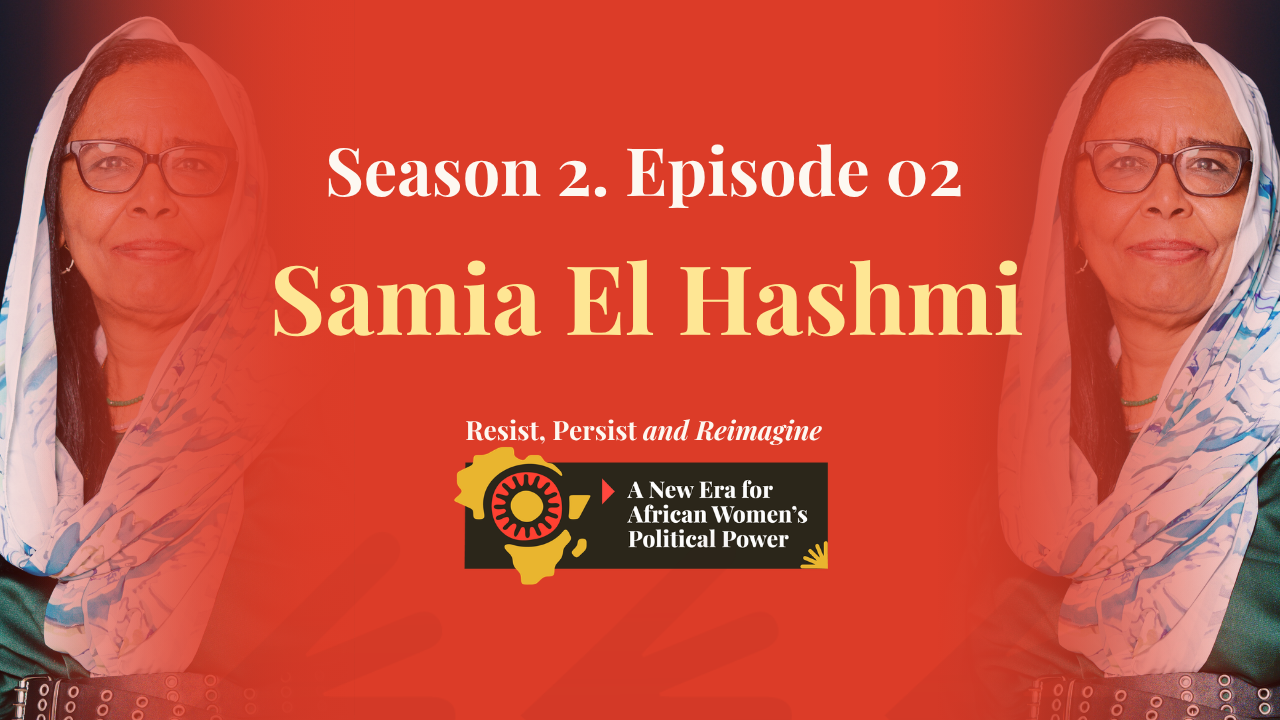
Samia El Hashmi, Sudanese lawyer, co-founder and chairwoman of Mutawinat.
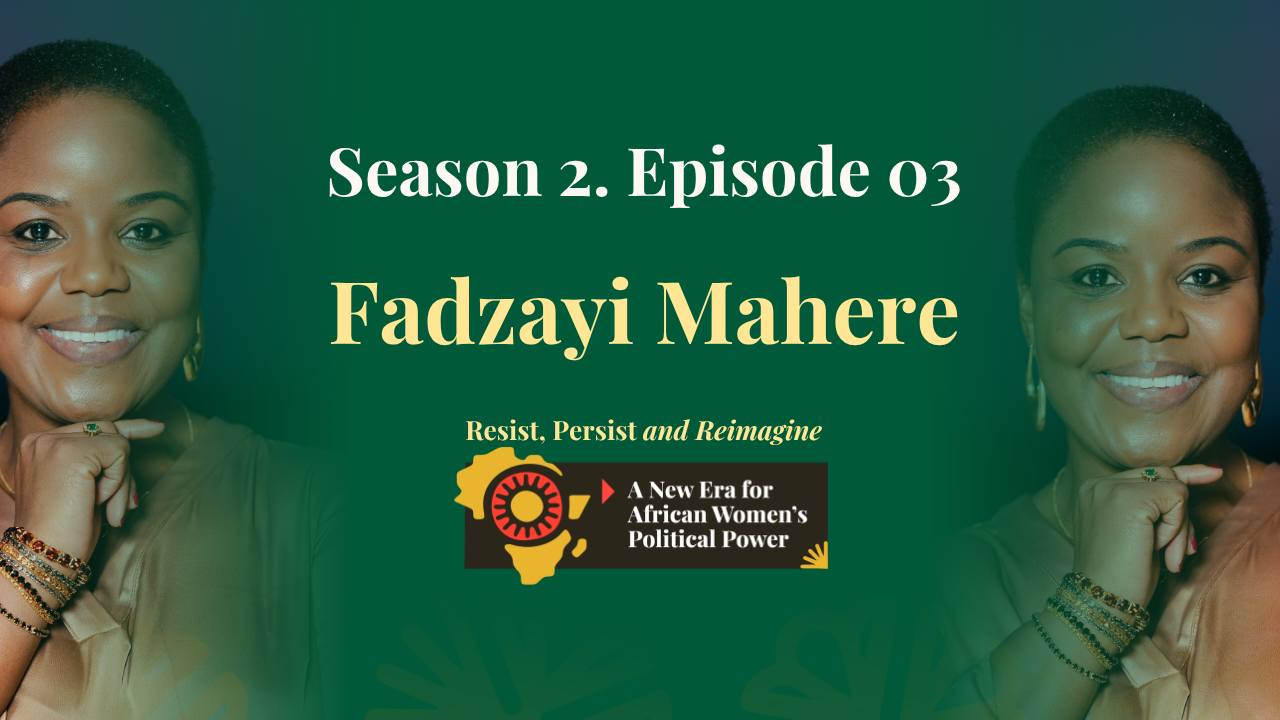
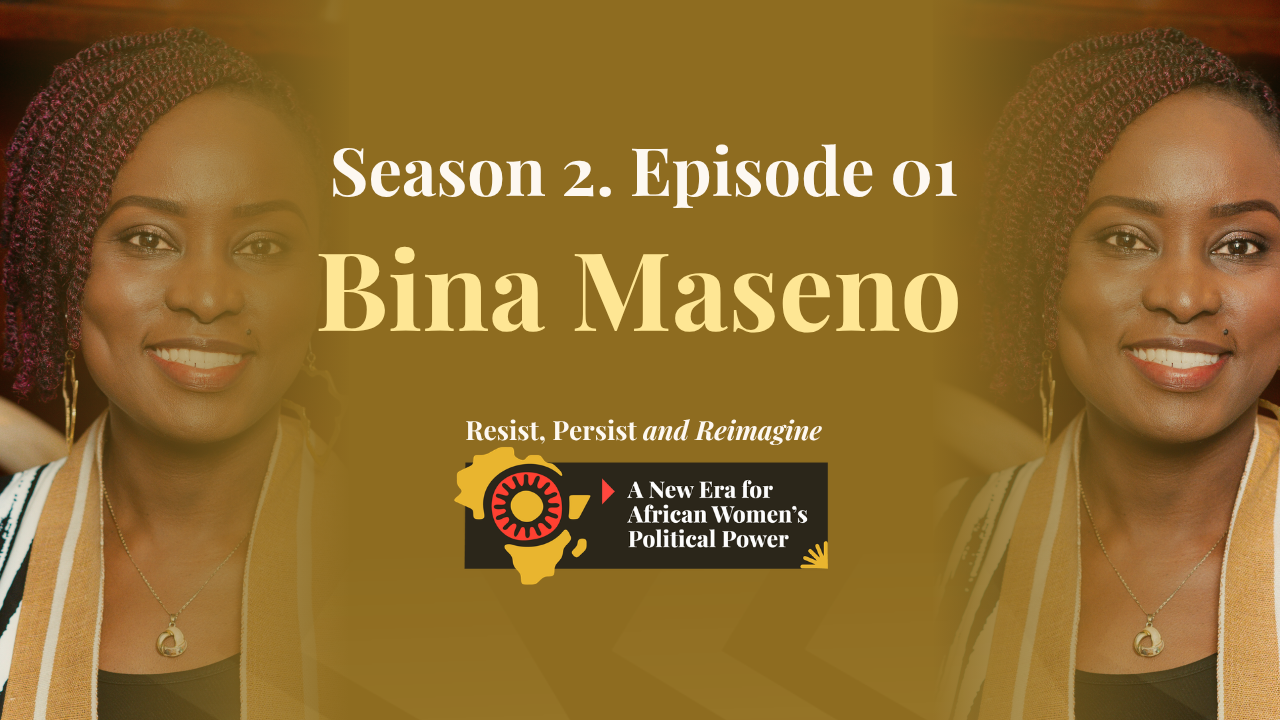
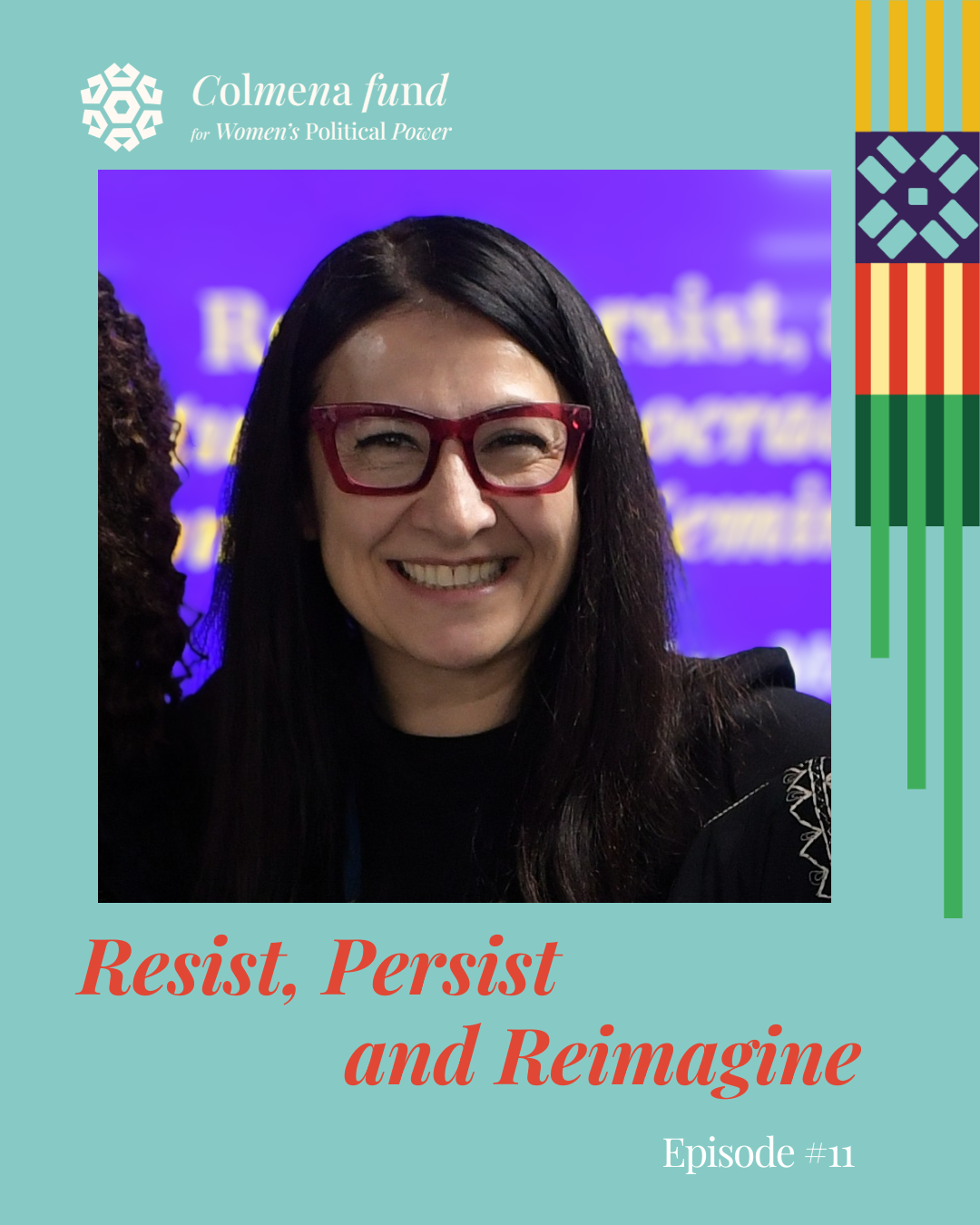
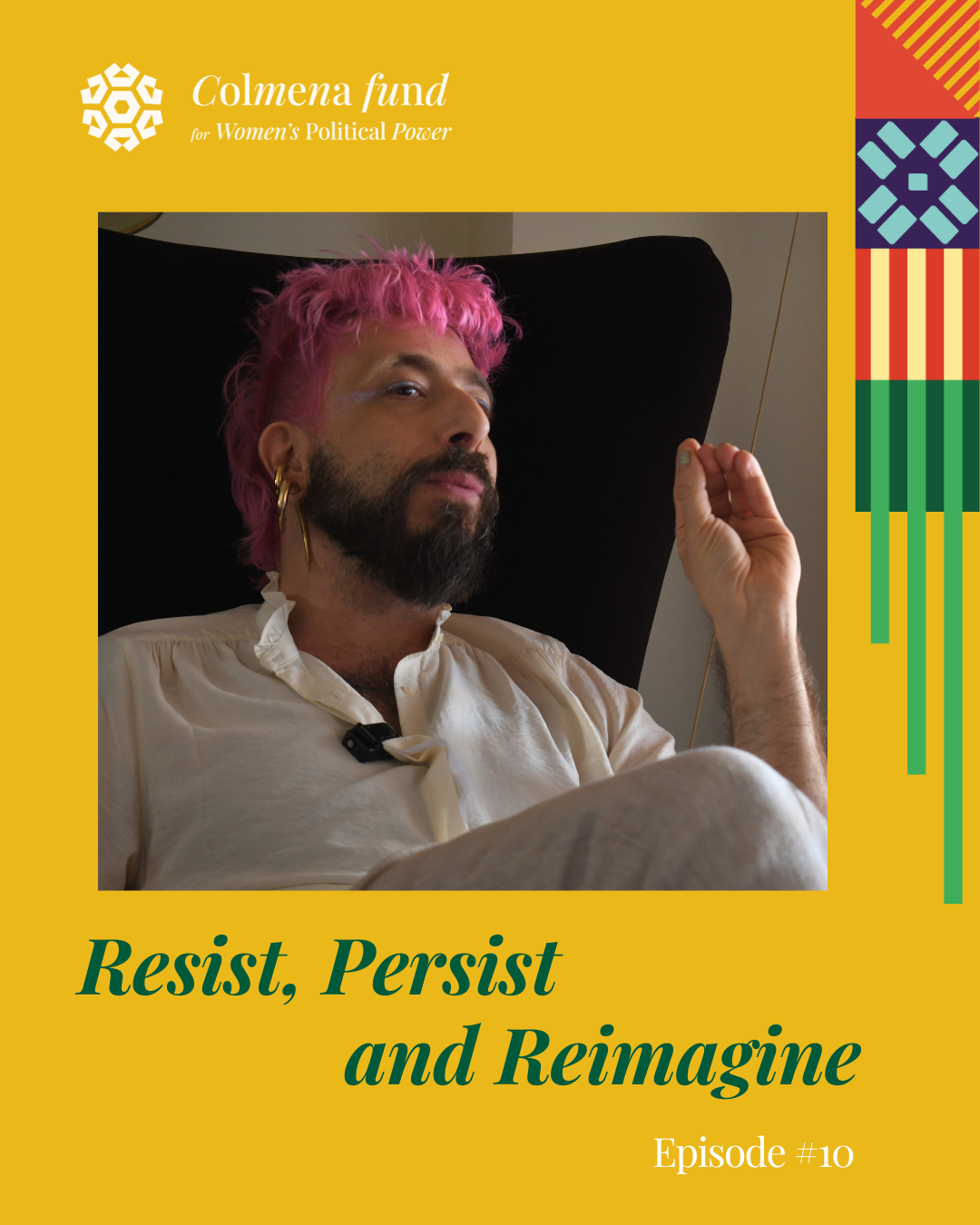
In the second episode of Resist, Persist and Reimagine: A New Era for African Women’s Political Power, we focus on Sudan: a nation currently facing a devastating war that has disproportionately affected women. For Season 2, we sat down with Samia El Hashmi to discuss the reality of this conflict and the path forward for Sudanese women.
Samia is a distinguished lawyer and the co-founder of Mutawinat, a non-governmental organization that advocates for the rights of women and children in Sudan by providing legal aid. Her activism stems from a lifelong drive to speak up against injustice. This passion led her to co-found Mutawinat in 1990 alongside friends who were already providing pro bono legal work from their private offices.
They chose the name Mutawinat—an Arabic word translating to “women working together”— to formalize their efforts to assist women who could not access justice due to financial struggles or restrictive traditions. Today, however, that mission has been forced to evolve rapidly.
A Pivot to Crisis Support
Now based in Egypt due to the ongoing war, Samia explains how her organization has become a lifeline for refugees and internally displaced persons. Many have lost critical documents, such as birth and marriage certificates, during the violence.
Perhaps most heartbreaking is the “desperately needed” work regarding gender-based violence. Samia reveals that the chaos of war has led to a resurgence of Female Genital Mutilation (FGM). Some families are practicing it under the tragic, misguided belief that it will protect girls from sexual violence and harassment during the conflict. In response, Mutawinat is working tirelessly to train law enforcement on how to implement Sudan’s new laws that criminalize the practice.
Redefining Democracy
Despite these harrowing challenges, Samia maintains a clear vision for political renewal. She challenges listeners to view democracy not as a final destination, but as “a tool that enables us to discuss… to talk about issues.” She argues that true democracy must allow women to exercise their rights as full citizens, not just as mothers or victims, but as decision-makers capable of shaping their country’s future. This political engagement is vital, she insists, because women must be “part and parcel of peace talks” to effectively end the war.
A Call for Sudanese Solutions
Ultimately, Samia issues a powerful call to action for the international community: stand in solidarity, but do not impose. She highlights that Sudan’s wealth and strategic location often attract external actors who offer help based on their own interests rather than the needs of the people. “We push for a Sudanese solution,” she urges, calling on allies to support the conflict resolution methods that Sudanese women are developing themselves, rather than importing fixes from the outside.
Listen to the full conversation with Samia El Hashmi in Season 2 of Colmena Fund’s podcast Resist, Persist and Reimagine: A New Era for African Women’s Political Power.