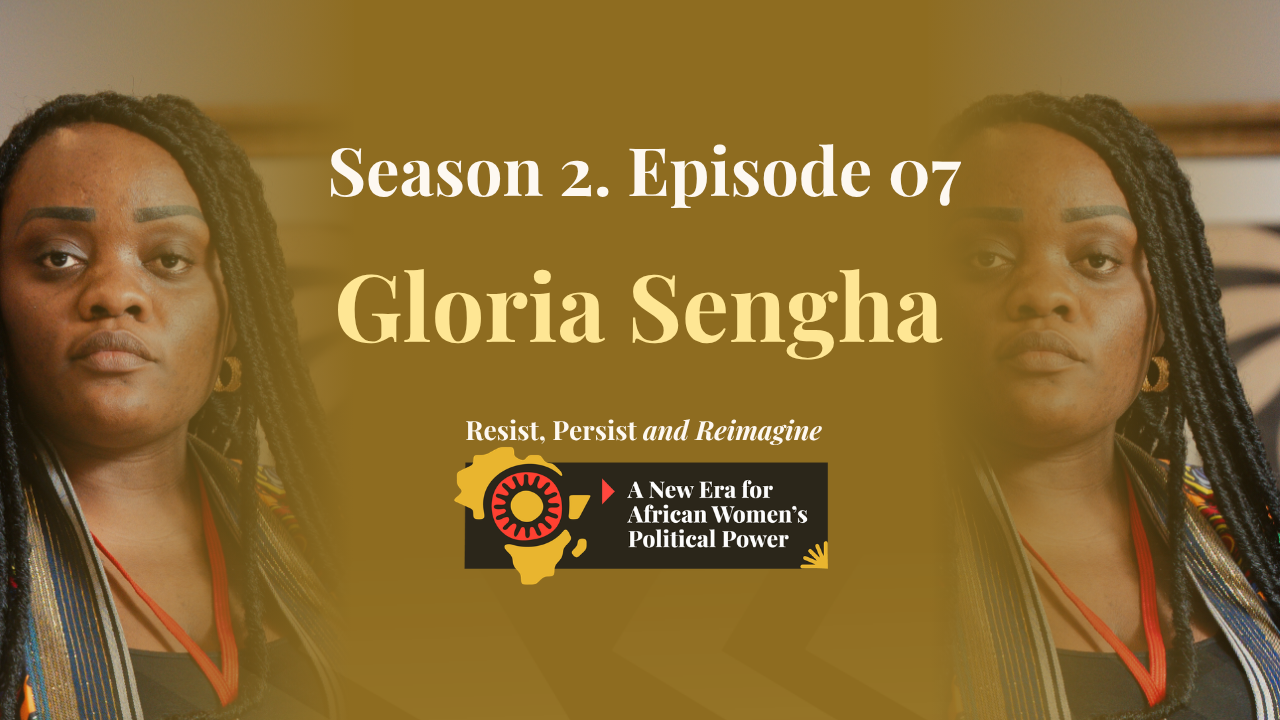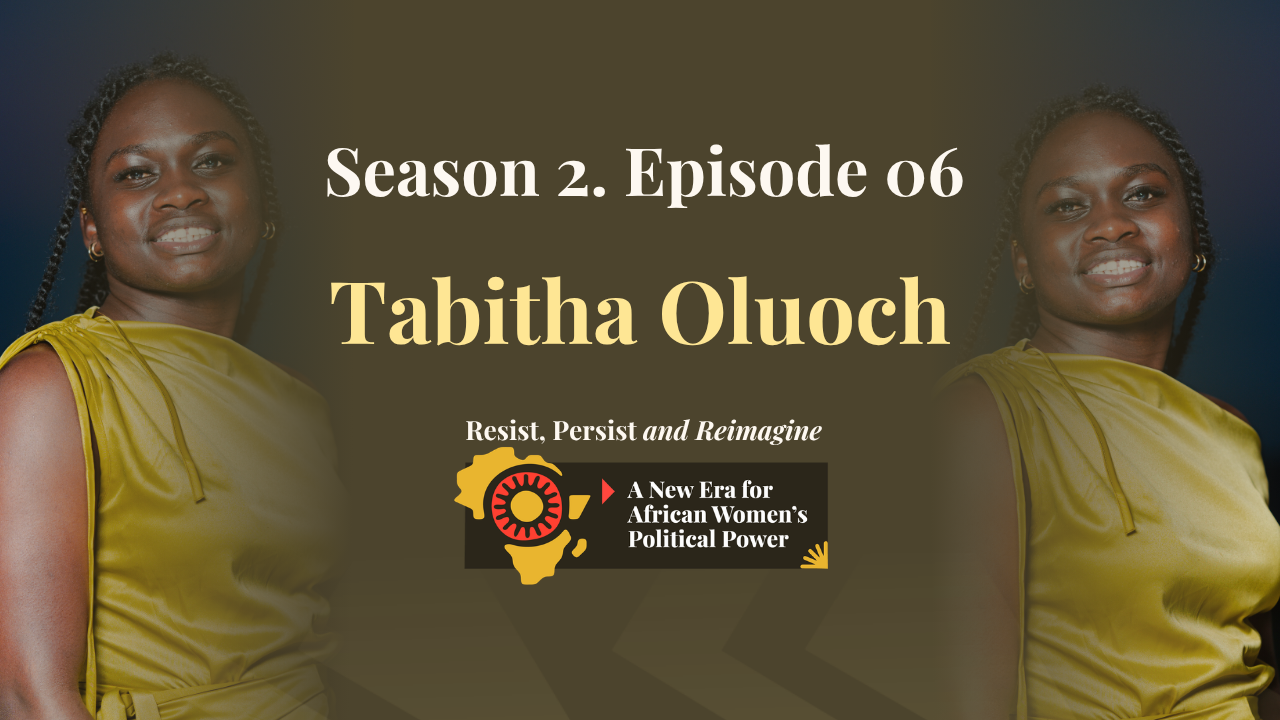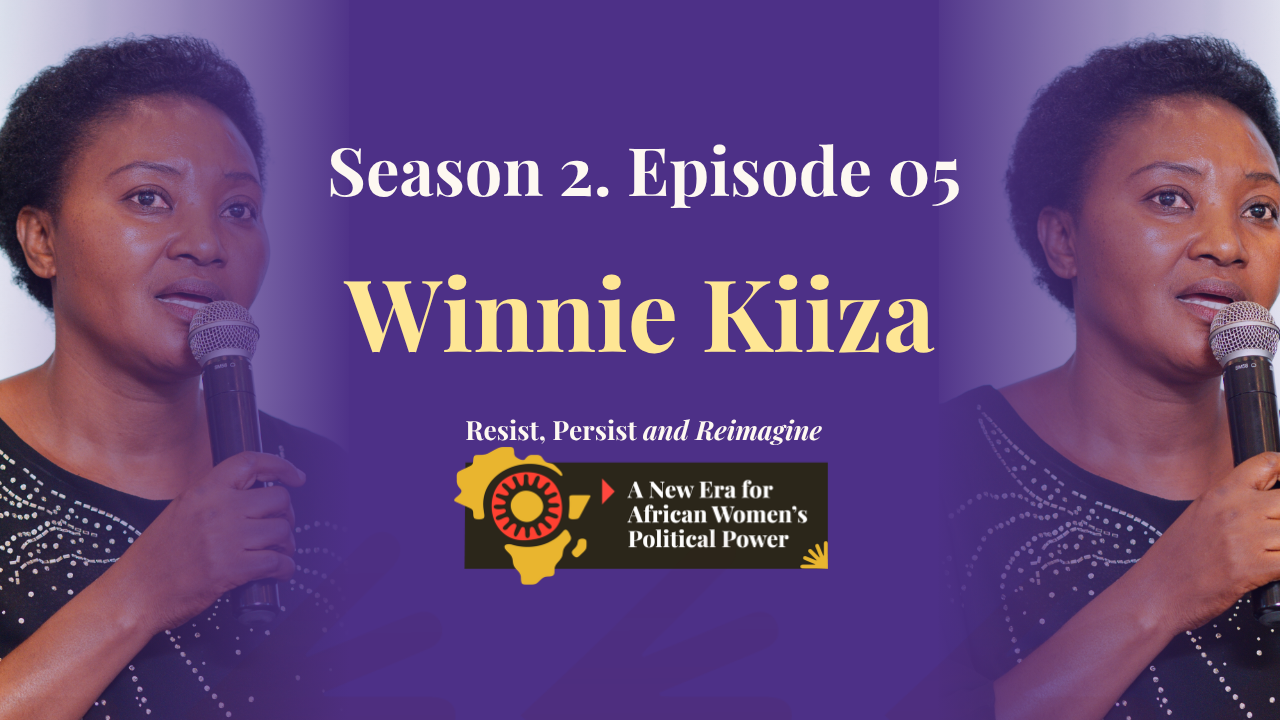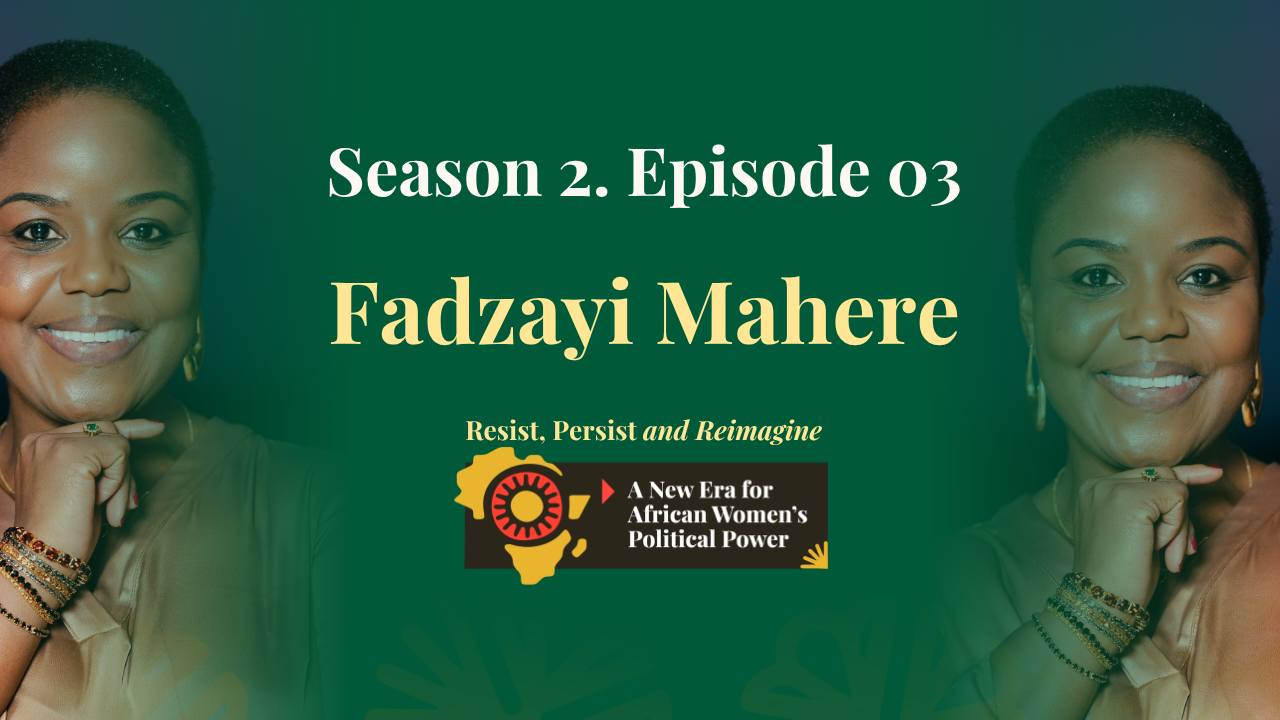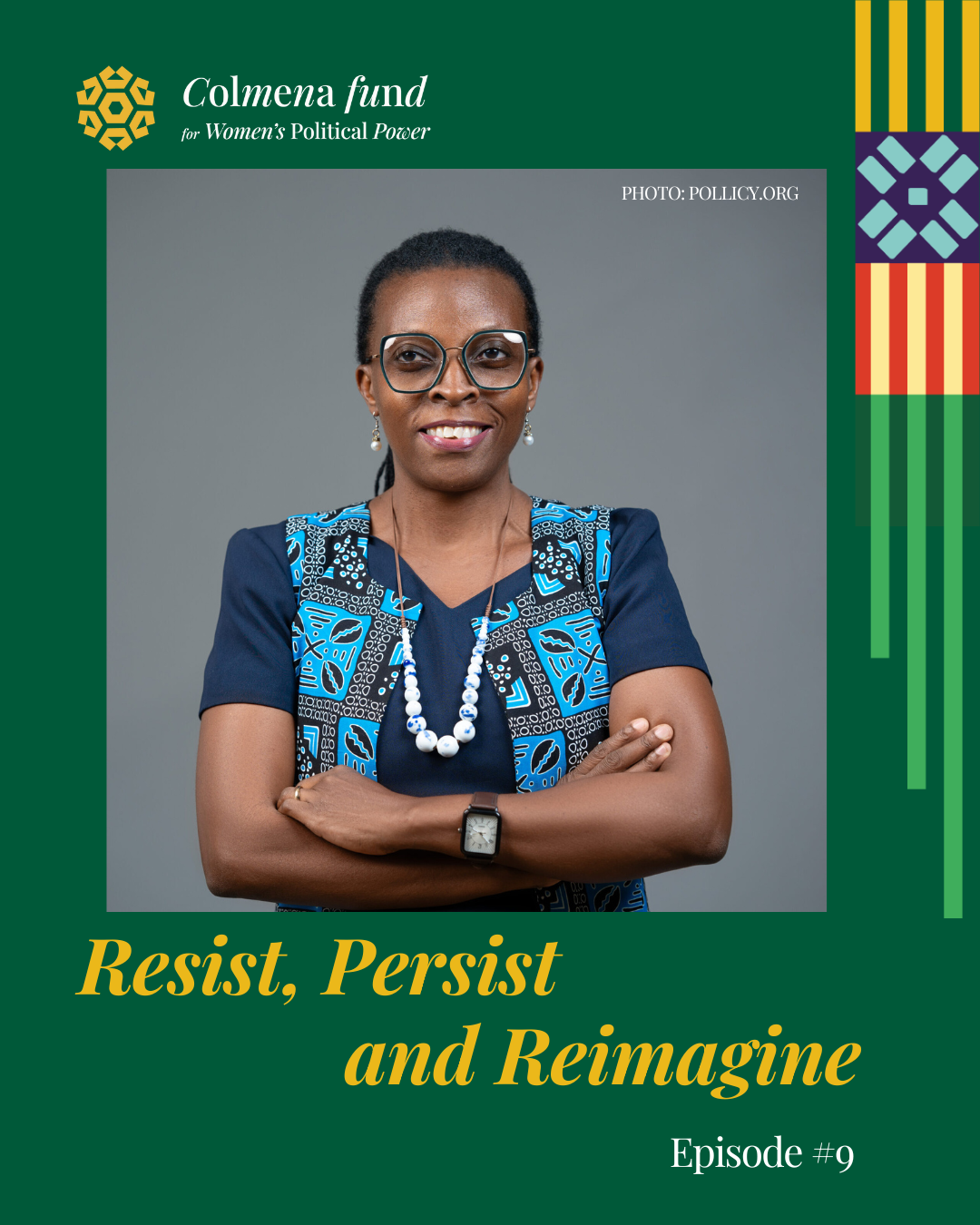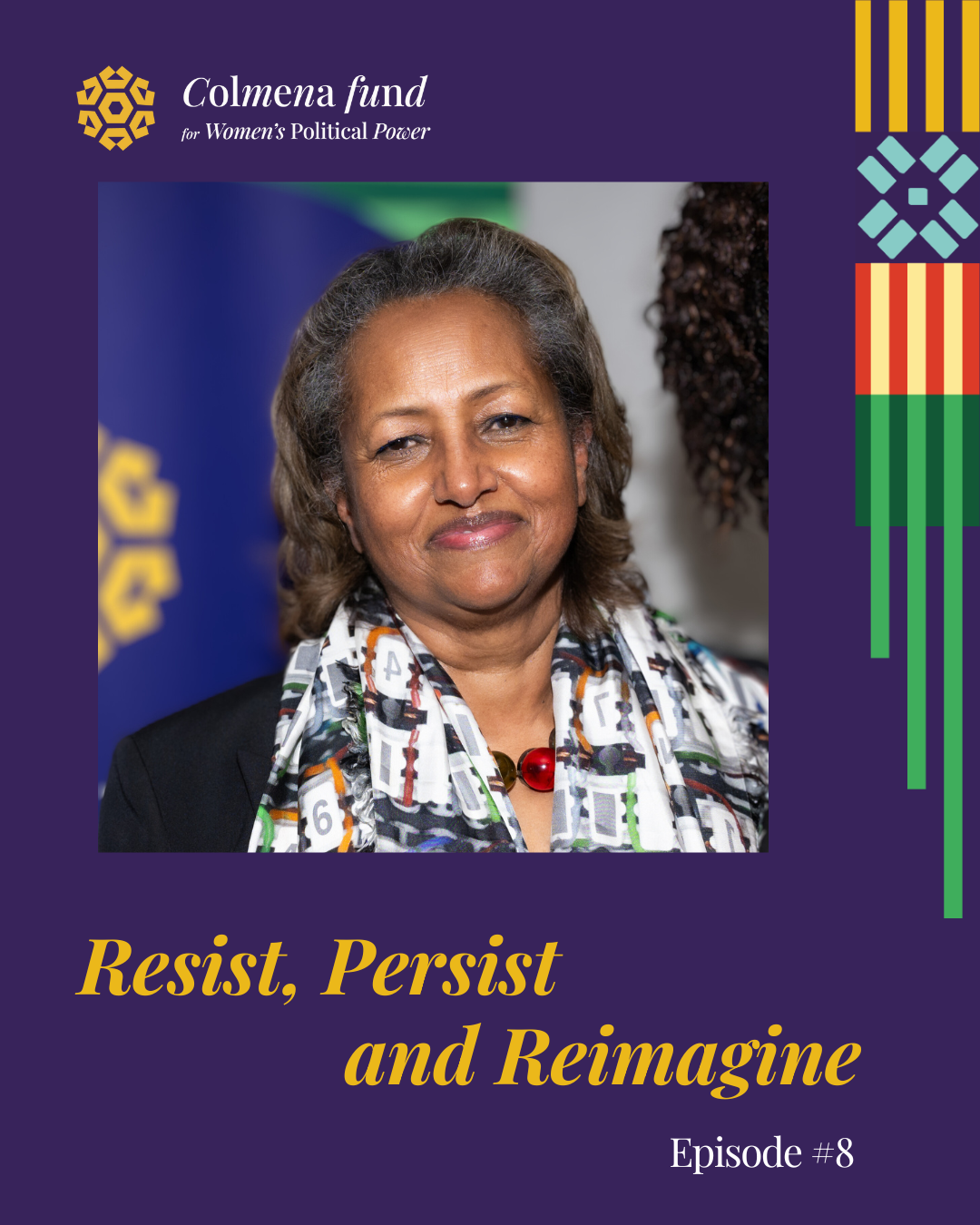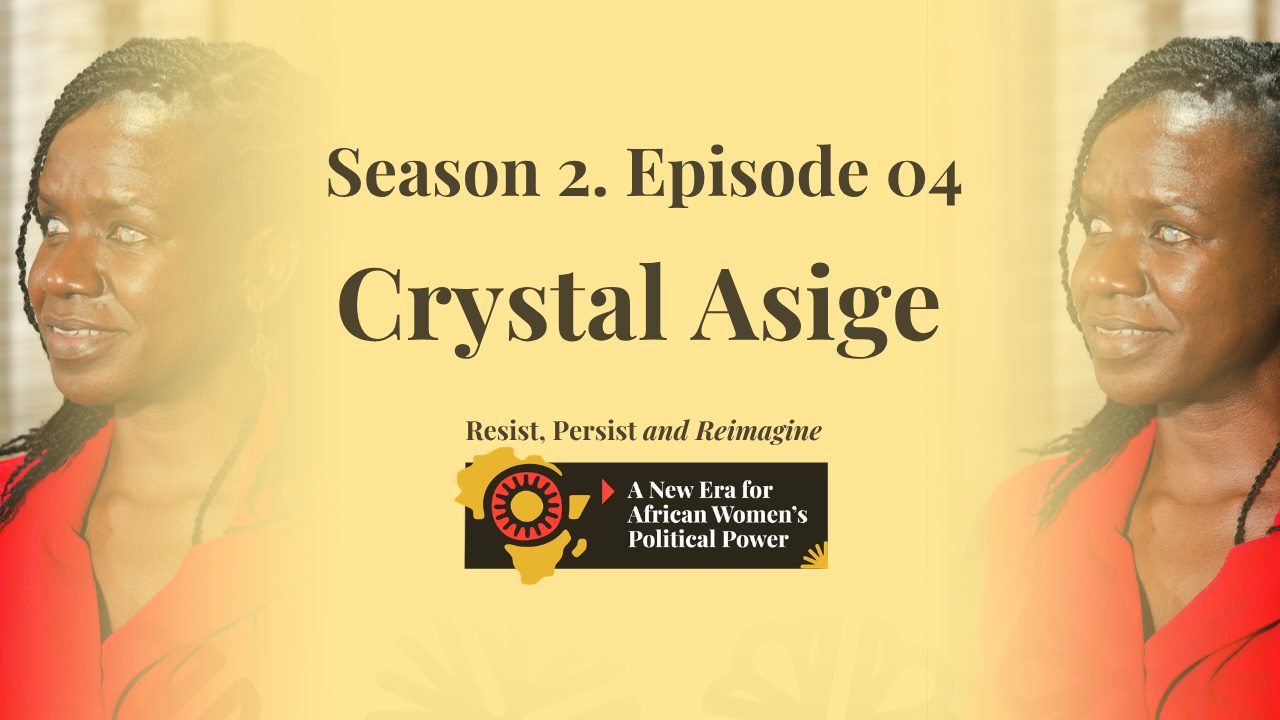
Crystal Asige is not your typical politician. Originally from Mombasa, Kenya, she brings a vibrant, multi-disciplinary background—spanning music, advocacy, and disability rights—to her role as a Senator. In a recent interview on the Colmena Fund’s podcast Resist, Persist and Reimagine: A New Era for African Women’s Political Power, Asige shared profound insights into what it means to lead authentically.
As she introduces herself: “I am a person that believes in leaving no one behind, including yourself. I am a person that really fights for people to be seen, heard, and understood whatever their circumstance or wherever they’re from.”
Finding Her Voice: From Stage to Senate
“I actually did not find politics. Politics found me,” Asige confesses. Growing up as the shy youngest child in a family of lawyers, she initially struggled to express herself. However, she found her voice on stage through musical theater and performing arts, which allowed her to build the communication skills she uses today.
Asige has always embraced “sticking out,” a trait that now serves her well as she brings her unique, multifaceted identity into the political arena. “I stick out in politics, I stick out in music and different spaces that I go to, but I embrace it as being a part of the unique sort of path that I’ve been set upon,” she explains.
Breaking Barriers: Escaping the Competition Trap
When discussing the barriers women face in politics, Asige points to systemic, generational trauma and conditioning. She observes that women are often taught there is only room for one or two of them at the top, leading to a “crabs in a barrel” mentality where women battle each other for limited space.
The Senator notes that young women are often discouraged from innovating because “people say ‘This is how we do it. This is how it’s always been done. So don’t come with new ideas. Don’t think that you can come and disrupt’.” She fundamentally challenges this narrative, considering that men embrace competition differently and emphasizes that “the more women we are, the more change that we see.”
Spanning three distinct demographics—woman, youth, and a person with a disability—Asige sees her role as paving the way for others. “Let me try and open the door and sort of wedge my foot in the door so that more of you can come through,” she says, reminding us that true leadership is also about creating followers.
Authentic Leadership: Anchoring in Purpose
For Asige, leadership is far removed from the pursuit of status or material gain. “Leadership to me is not holding a position or a title; it’s actually about making an impact and staying true to your values and creating a legacy that outlives you,” she says. “Without a firm grasp of who you are, it’s very easy to lose your way, super easy to be manipulated,” she warns, stressing out that self-awareness is the ultimate anchor in the chaotic world of leadership.
She advises aspiring leaders to define their purpose and set clear goals before stepping into the arena, ensuring they never allow the pursuit of power to erode their core values. She lives this ethos daily, laughing off expectations of political wealth: “And people look at me and they say, ‘Why are you still driving that little car that you used to drive?’ And I’m like, ‘Because that’s not the reason I’m here. I wasn’t here to upgrade my car or to get a bigger house…'”
Beyond “Borrowed Democracy” in Africa
Perhaps Asige’s most thought-provoking insights center on systemic change. She boldly argues that many African nations currently operate on a “borrowed democracy” that was handed down to them and simply does not fit their context.
She questions why modern parliamentary chambers must be direct replicas of the British Empire, suggesting that true democracy might mean bringing leadership directly into the communities instead of centralized capital cities. “Anything that will work well will have to be designed by those who are using it, not be handed down to us,” she asserts. To Asige, a functioning democracy is an inclusive, safe space where all voices and innovations are embraced and listened to.
A Call to Action: How Philanthropy Can Drive Progress
To organizations and philanthropies looking to support women, Asige offers practical advice: bypass the surface level and engage directly with the decision-makers in political parties who “hold the keys to our opportunities.” She also advocates for long-term, focused mentorship for a handful of women rather than brief, sporadic training sessions. And for young people looking to enter politics? Her advice is simple and powerful: “Get it, just go for it.”
The Path Forward: From Message to Mission
Senator Asige’s message is clear: true leadership requires a strong support system, not just a title. The Colmena Fund turns this insight into action by tackling the systemic barriers she describes. By moving beyond sporadic workshops and quick fixes, our multi-year grants provide sustained, holistic support—strengthening technical skills, ensuring digital safety, and building powerful networks across the Global South.
By supporting initiatives that are nurturing transformative women’s leadership and are actively tackling existing barriers across the Global South, we aim to contribute to a world where diverse women political leaders are the norm, building societies that are truly inclusive and equitable.
Full conversation with Crystal Asige in Season 2 of Colmena Fund’s podcast Resist, Persist and Reimagine: A New Era for African Women’s Political Power.