All over the world, we’re witnessing backlash against feminist, queer, and racial justice movements. But alongside this wave of repression, we are also seeing strategic, visionary responses—especially from grassroots organizations in the Global South. In Brazil, VoteLGBT is reimagining democracy through the lens of queer leadership, data-driven advocacy, and deep intersectional alliances.
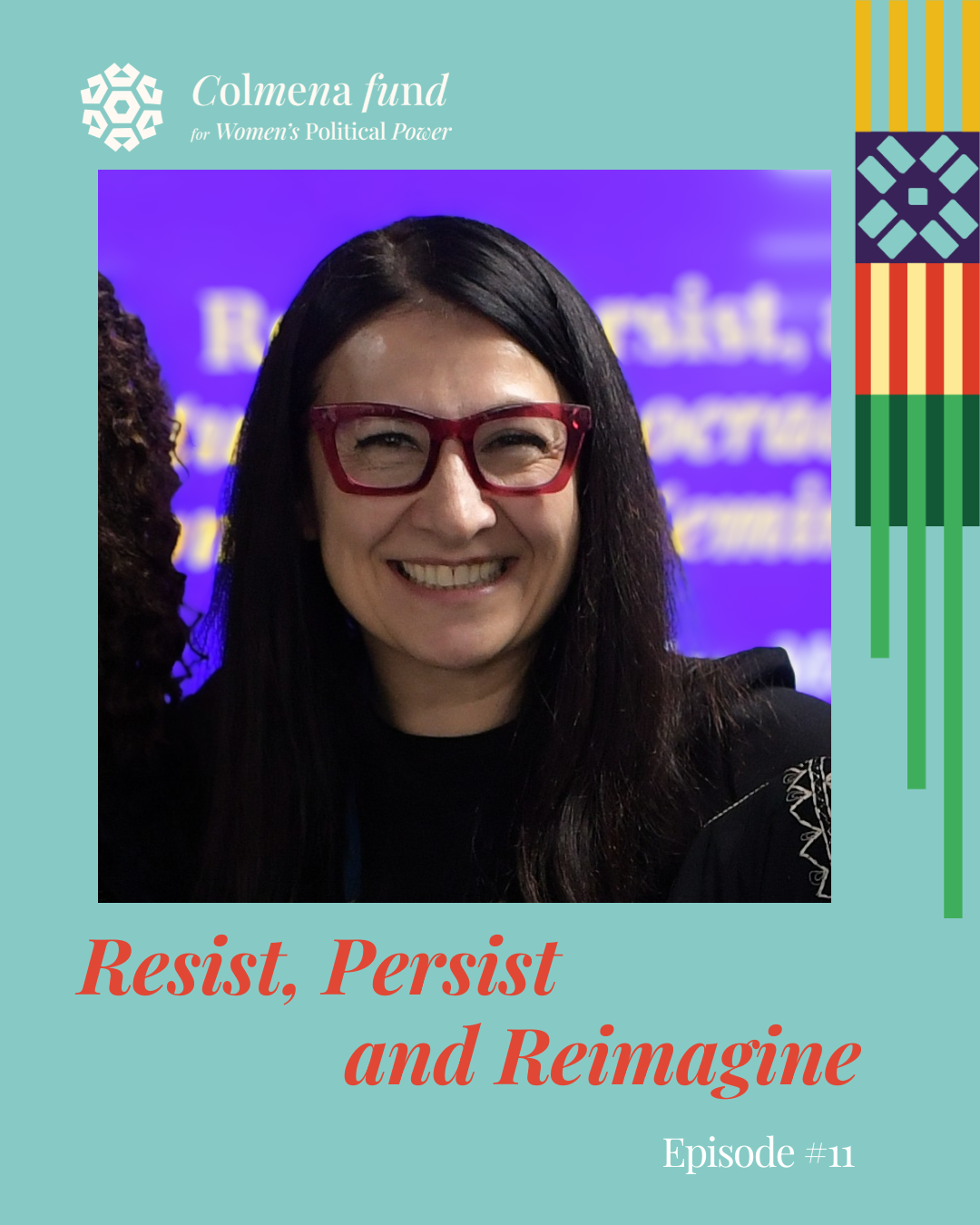
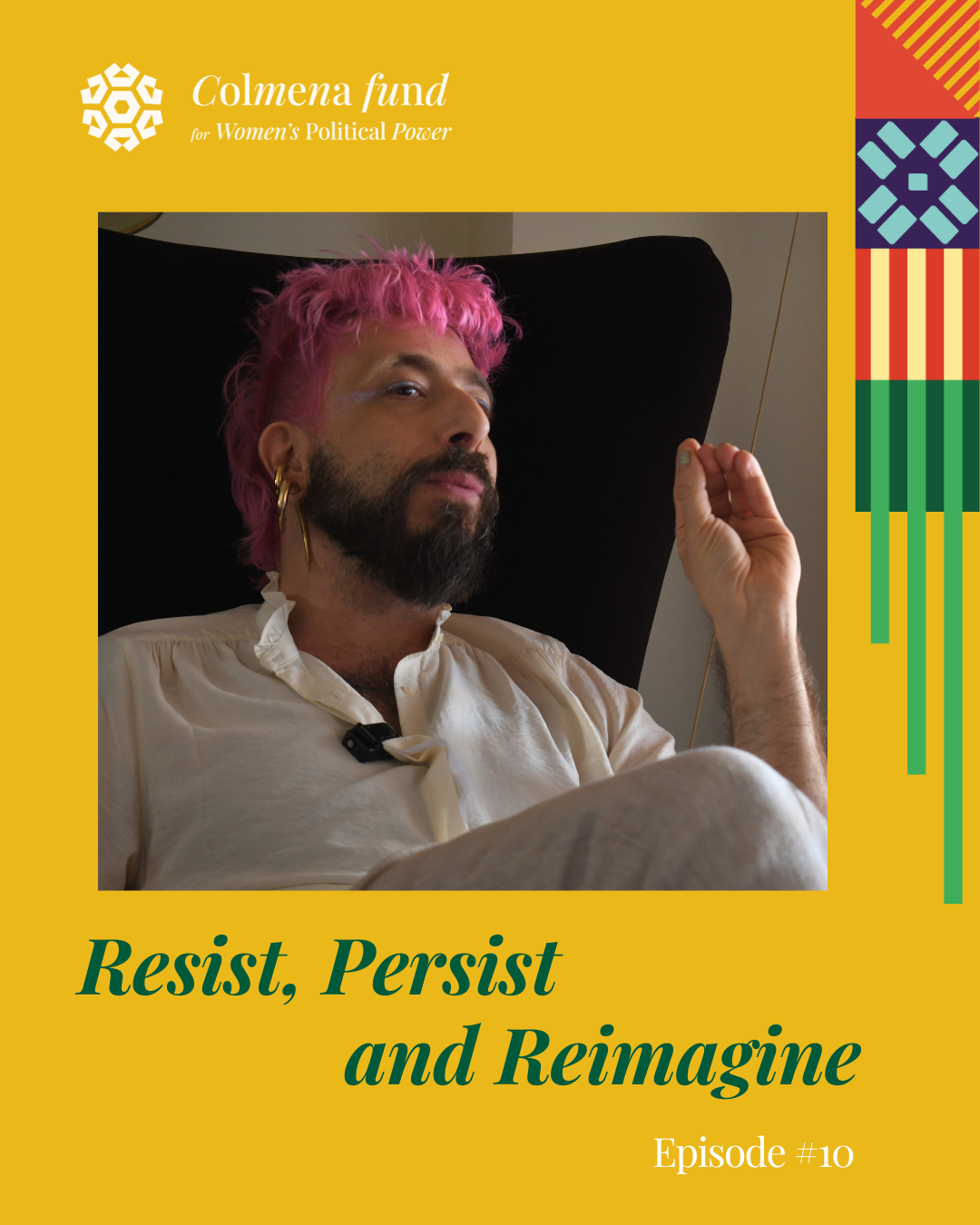
In Episode 10 of Resist, Persist and Reimagine, the Colmena Fund’s podcast series, Gui Mohallem—co-leader of VoteLGBT—develops a narrative of what it means to lead from the margins and build power in a hostile political environment. Their insights reveal a decade of hard-earned progress that’s not just changing representation in Brazil, but reshaping what inclusive, people-centered democracy can look like.
From Absence to Visibility
VoteLGBT began as a digital campaign, not an organization. A report showing that openly LGBTQ+ candidates were being sabotaged within political parties prompted a small group of activists from the magazine Revista Geni to act. Ten years ago, queer representation in Brazilian politics was virtually nonexistent. Today, over 3,000 out LGBTQ+ candidates are stepping into political roles.
One of the keys to this transformation has been data. In 2016, VoteLGBT began systematically collecting information from Pride Parades across the country. The results were striking: 80% of attendees at the world’s largest Pride, in São Paulo, cited political reasons for participating. These insights helped position LGBTQ+ communities as political subjects—not just cultural ones—changing how they are perceived and how they organize.
Building Intersectional Infrastructure
VoteLGBT has consistently emphasized that representation must be intersectional to be meaningful. In 2016, they helped launch Me Representa, a digital platform that connected voters to candidates based on shared human rights values. Early versions revealed hard truths: racial and gender biases shaped voter engagement. For instance, Black women received fewer clicks, even from progressive voters.
Rather than walk away, VoteLGBT partnered with Black feminist organizations to improve the platform and reshape its logic. By the 2018 elections, it allowed voters to specifically search for women candidates—an intentional move toward structural equity.
In the 2022 elections, the impact of this work became clear: 8 out of 10 votes for LGBTQ+ candidates went to women; 7 out of 10 went to Black candidates; and over 1.2 million votes—a third of the total—went to trans women.
While Brazil still only has two trans congresswomen, it now holds the global record—a sign of progress, but also of how far we still have to go.
Equity in Practice: Organizational Innovation
VoteLGBT doesn’t just advocate for intersectionality—it makes it happen. The organization applies a redistributive pay structure that adjusts salaries based on identity and social vulnerability. A Black trans woman, for example, will earn more than a white cis man for the same role, in recognition of systemic inequality.
The result is a funding model aligned with its values: 90%+ of VoteLGBT’s resources go to LGBTQ+ individuals; 80%+ to women; 30%+ to Black communities; and 20%+ to trans people.
This level of transparency and alignment is rare in the nonprofit world—and offers a model for how philanthropy can better support equity-focused work.
Confronting Violence with Strategy and Care
Despite these advancements, queer political candidates in Brazil face intense and multifaceted violence:
- Chronic underfunding, even from left-leaning parties;
- Online hate speech and gender-based threats, including rape and death threats, doxxing, and targeting by extremist groups;
- Psychological and territorial tolls, with some candidates forced to leave their communities—effectively ending their political work.
VoteLGBT provides confidential psychological support to queer leaders and, with support from the Colmena Fund, is now developing an AI tool to identify and track online phobic violence. This is not just a protective measure—it’s a political strategy to push digital platforms and institutions toward accountability.
Expanding the Democratic Imagination
While legislative progress on LGBTQ+ rights has slowed due to the current political climate, queer leaders are advancing policy in other essential areas—labor, housing, education, and climate—not just for their communities, but for the broader public.
Gui highlights the example of a Black trans congresswoman who is leading a national debate on reducing the workweek—one of the country’s most forward-looking labor proposals. This is the kind of leadership that doesn’t just represent marginalized identities—it expands what’s possible for everyone.
For VoteLGBT, democracy “is a system where everybody has the right to full citizenship, not only the chosen few, not only the rich, not only the cis people”.
The Need for Long-Term, Values-Aligned Support
What’s perhaps most striking is that VoteLGBT achieved much of this progress without sustained core funding. For years, they relied on passion, will, and deep strategic thinking. Only recently did they receive a major grant to fund their core operations— an example of a long-standing gap in how funders resource the very organizations leading structural change.
As Gui notes: If “an organization small as ours—underfunded as ours— could make an AI tool capable of identifying context, patrons of phobic violence. What could an organization big enough with his resources do?”.
This is a call to action for all of us—especially those in philanthropy, policy, and civil society—to shift from short-term support to long-term investment in movement infrastructure.
Resist, Persist, and Reimagine podcast
🎧 This post is based on Episode 10 of Resist, Persist and Reimagine, featuring Gui Mohallem of VoteLGBT. Listen to the full episode, and share to amplify the voices reshaping democracy across the Global South.