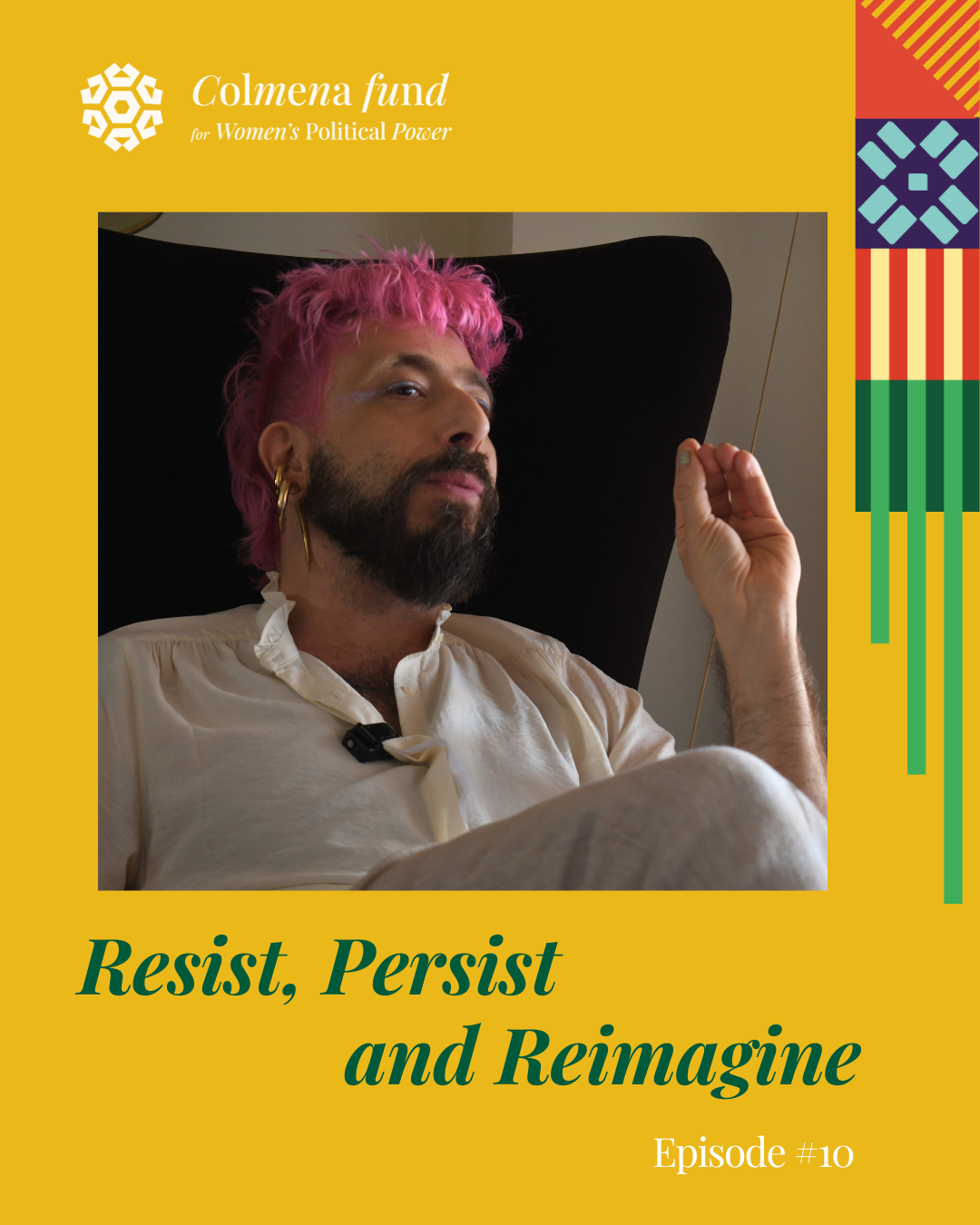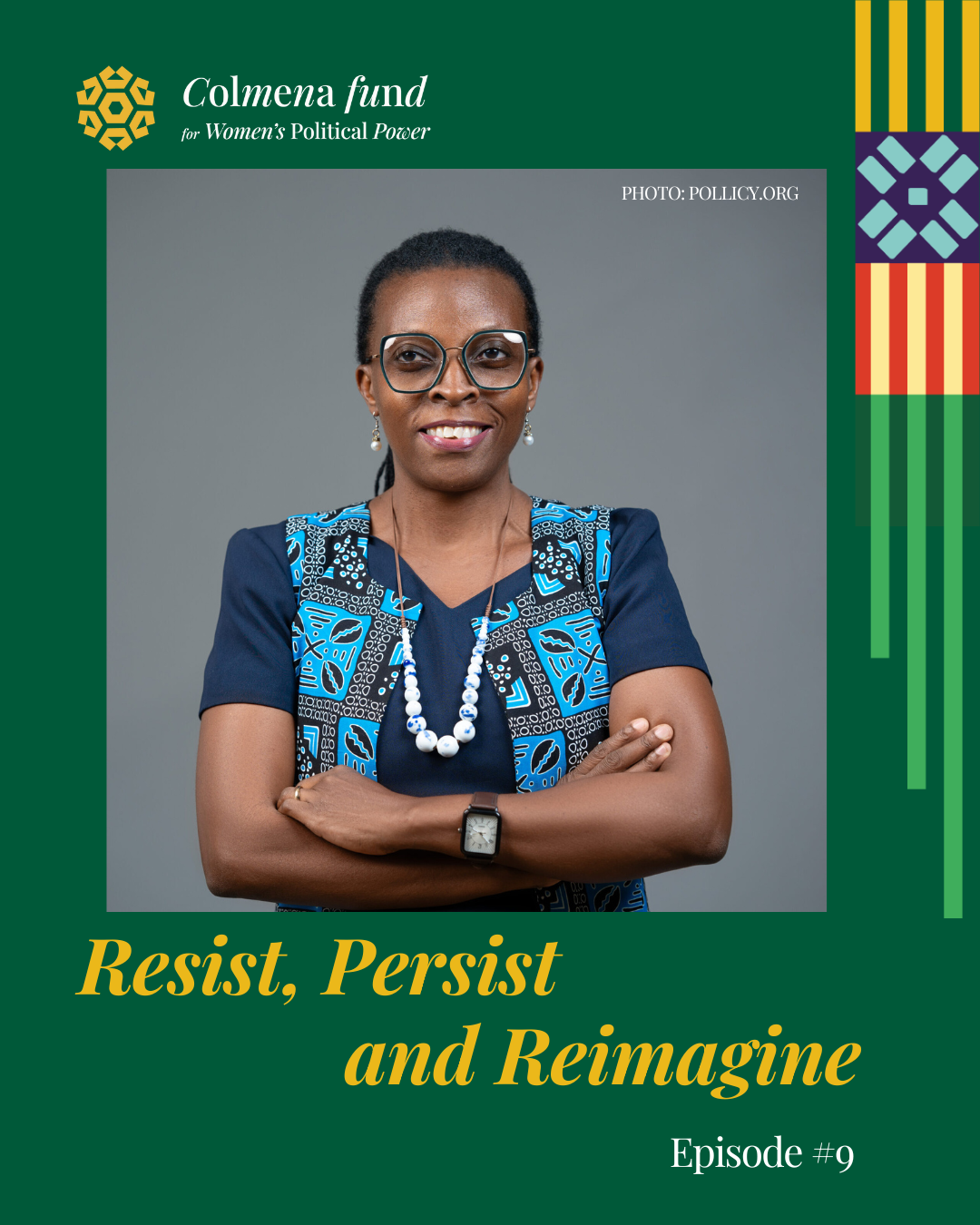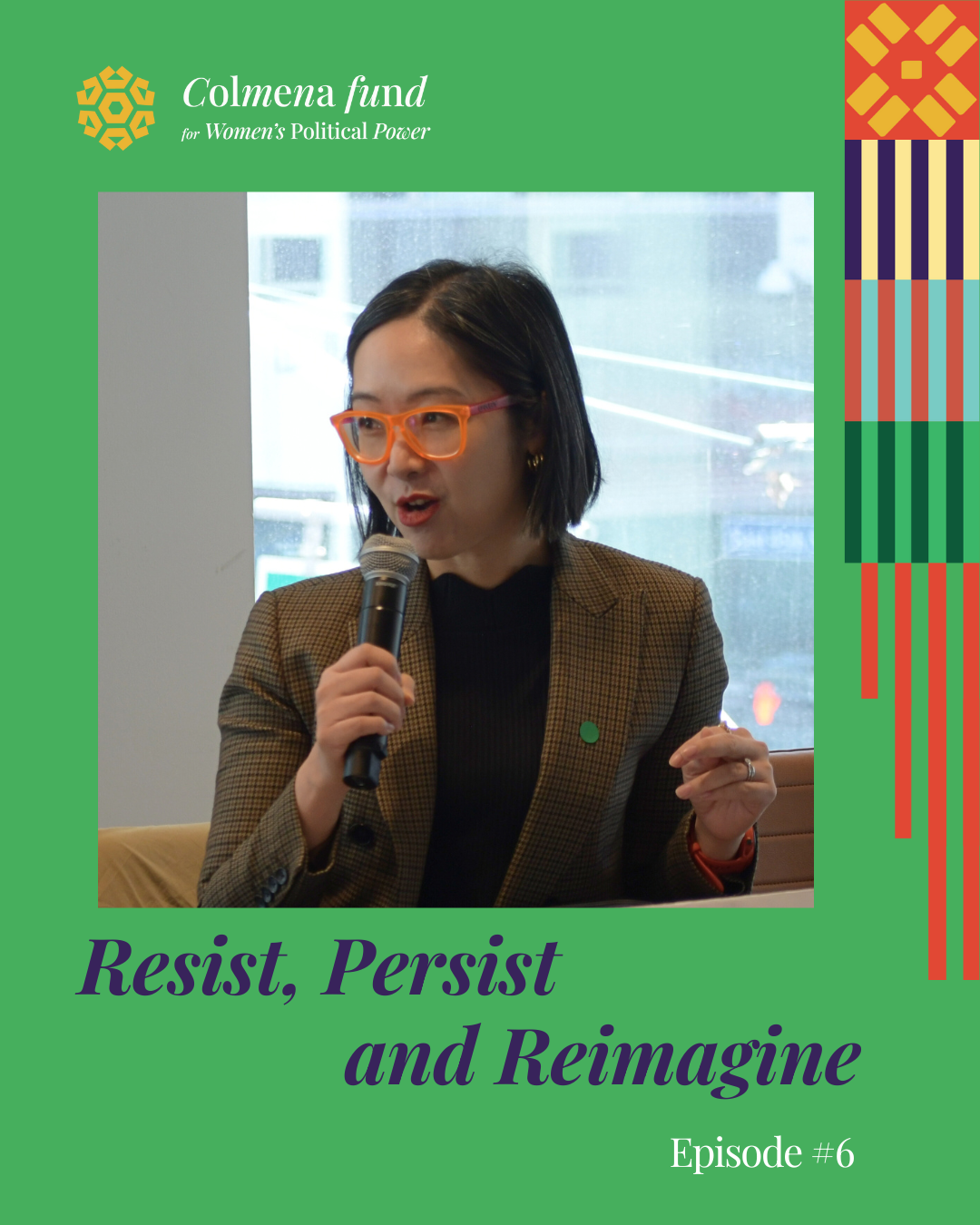
Kunthida Rungruengkiat is part of a new generation reshaping Thailand’s political future. A young political leader, activist, academic, and former Member of Parliament. She now serves as Director of the Progressive Movement Foundation, a key partner of the Colmena Fund in Thailand. Her work is redefining what inclusive, feminist leadership can look like in one of Southeast Asia’s most politically complex environments.
Her path to politics began not in party structures, but in education. As a university lecturer and high school teacher, Kunthida saw the power of change in her students—but she wanted to scale that change at a national level. “I wanted to be the change maker and the change agent”.
In 2018, she joined the newly formed Future Forward Party —a progressive force that challenged the political status quo and surged to become Thailand’s third-largest party in its first election. Kunthida, as deputy leader, led on education policy, fighting for equitable access to schooling. But just 11 months into her parliamentary term, the party was dissolved by the Constitutional Court in what she describes as an “extremely arbitrary” decision.
Like other party leaders, she was banned from seeking public office for a decade.
“That doesn’t really stop me. I thought, ‘Well, there must be something else that I could do,’ even though my position as Member of Parliament was now gone”.
That “something else” became the Women’s Empowerment and Political Leadership Academy, launched in collaboration with the Colmena Fund. Built from experience and shaped by urgency, the Academy is now helping to ensure the next generation of women leaders is equipped not only to enter politics—but to stay and transform them.
From Lived Experience to Systemic Solutions
Kunthida’s own entry into politics was daunting. She recalls being thrown into “a roller coaster ride” without mentors or guidance, navigating harassment and exclusion in a space long dominated by men. “I didn’t want other women… to have such a rough path—a similar experience to mine”.
Through the Academy, she and her team are building a pathway for 150 women and LGBTQ+ leaders over three years. The program combines political skills, knowledge, and crucially, the emotional preparedness to navigate the risks of public life. The first module—her story and healing—addresses self-doubt and trauma, laying a foundation of self-confidence before moving into policy and leadership training. “They’re already catalysts for change—but they’re so unsure, so not quite confident in what they could do.”
Structural Challenges Facing Women in Thai Politics
Despite growing political engagement in Thailand, the political environment remains structurally hostile for women and feminist leaders. Kunthida highlights several intersecting barriers. Many women carry the burden of unpaid care work and face a lack of infrastructure to support their political participation. Fundraising is another challenge—while it is an expected part of political life in some countries, in Thailand it is often stigmatized, particularly for women without access to financial networks.
Harassment and gender-based microaggressions are pervasive, ranging from online abuse to inappropriate comments or even direct propositions. Cultural expectations frequently push women into support roles, discouraging them from stepping into leadership positions. Even within progressive movements, gender quotas are often met with resistance, reframed as discriminatory against men, which overlooks the systemic inequalities women face. Compounding these issues is the absence of comprehensive data on women’s political participation, including entry points, obstacles, and the attrition they face over time.
Today, only 19% of national MPs in Thailand are women, and this figure drops to around 9% at the local level. These numbers have barely changed in over a decade.
Strategic Interventions for Sustainable Impact
The Academy is not just a leadership program—it’s a political strategy. Its design incorporates multiple interconnected elements that make it both effective and scalable. At its core is the commitment to data-driven dialogue. As Kunthida explains, gender audit reports produced by third-party researchers offer a critical foundation for conversations about how to increase women’s political participation. Equally important is the effort to visibly showcase women’s capabilities. The Academy works to ensure that women are not only prepared to lead but also seen as proof that women can—and should—be strong political leaders.
Storytelling plays a central role. Sharing the experiences of women who have overcome obstacles helps shift public perceptions and create space for others to follow. Kunthida emphasizes the need for “more women role models at all levels—diverse ones—so that young girls in Thailand can envision themselves in these spaces”. However, individual leadership development must be supported by a broader infrastructure. Targeted funding must extend beyond candidates to include the wider ecosystem of political movements and civil society organizations, as well as media, education, and the entertainment industry.
Digital platforms, particularly social media, are also harnessed as powerful tools for visibility, narrative change, and political engagement. The result is a growing network of confident, skilled women who are not only ready to lead, but who feel part of a wider movement. As Kunthida puts it, “We want them to feel that the entire environment—the whole ecosystem—is moving with them, supporting them.”
Redefining Democracy
Kunthida’s vision extends beyond seats in parliament. For her, democratic renewal must be rooted in shared values: “Democracy is a way of life that prizes equality, that prizes human dignity, and that prizes empathy among fellow people in the same society”.
While civic participation in Thailand has grown—especially among young people—there remains a critical blind spot:
“Not enough Thai people are talking about the fact that we don’t have enough women at the parliamentary level (…) And the conversation about solutions is even more invisible”.
With the Women’s Empowerment and Political Leadership Academy, Kunthida and the Progressive Movement Foundation are proving that change is possible. They’re not only preparing women for politics—they’re changing the very terms of participation and reimagining power itself.
“Women can do anything. They can be a big part of the change agents who drive society forward”.