As democracies face growing threats—from authoritarianism to underrepresentation—a crucial question arises: how can we reimagine and strengthen the foundations of inclusive governance?
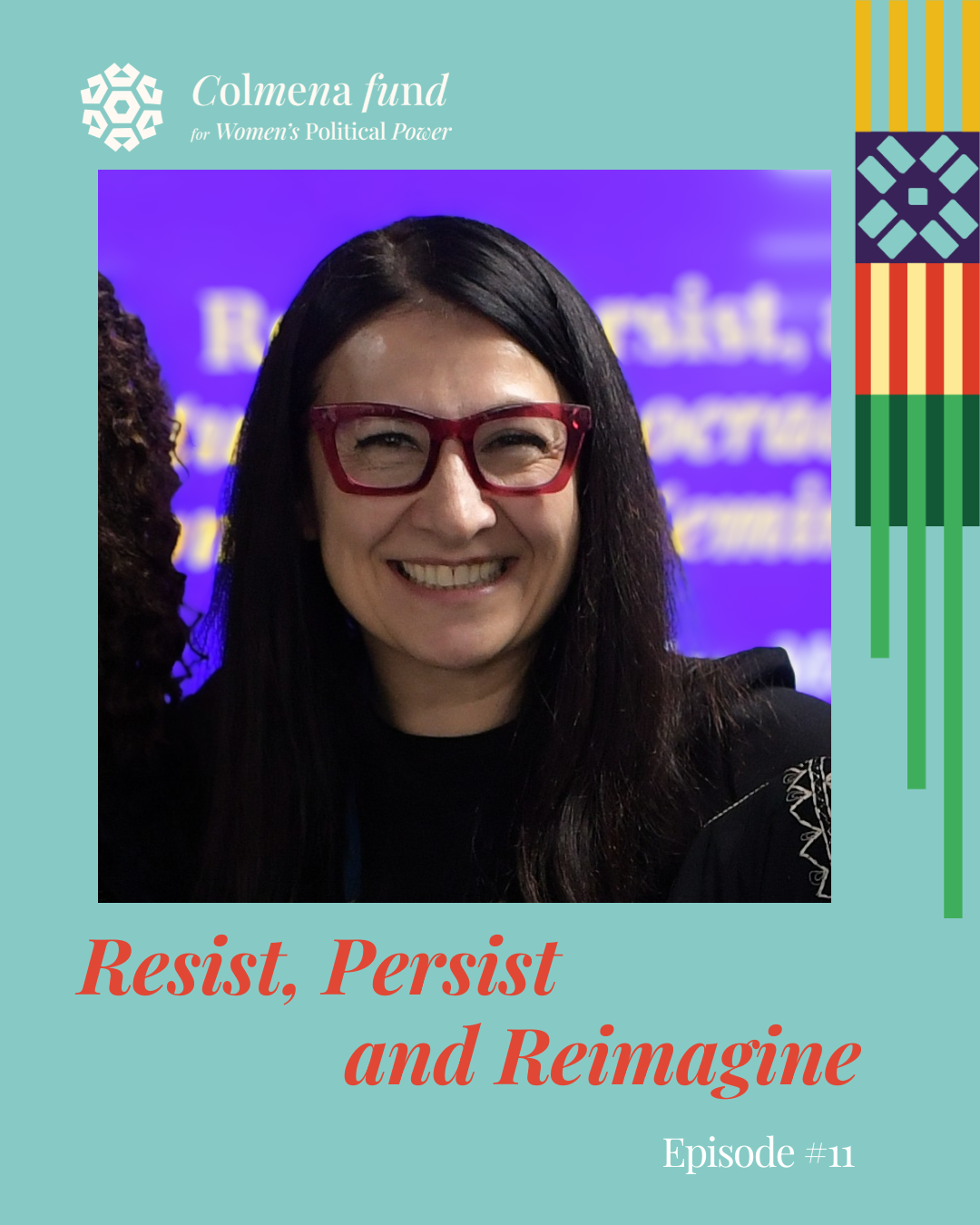
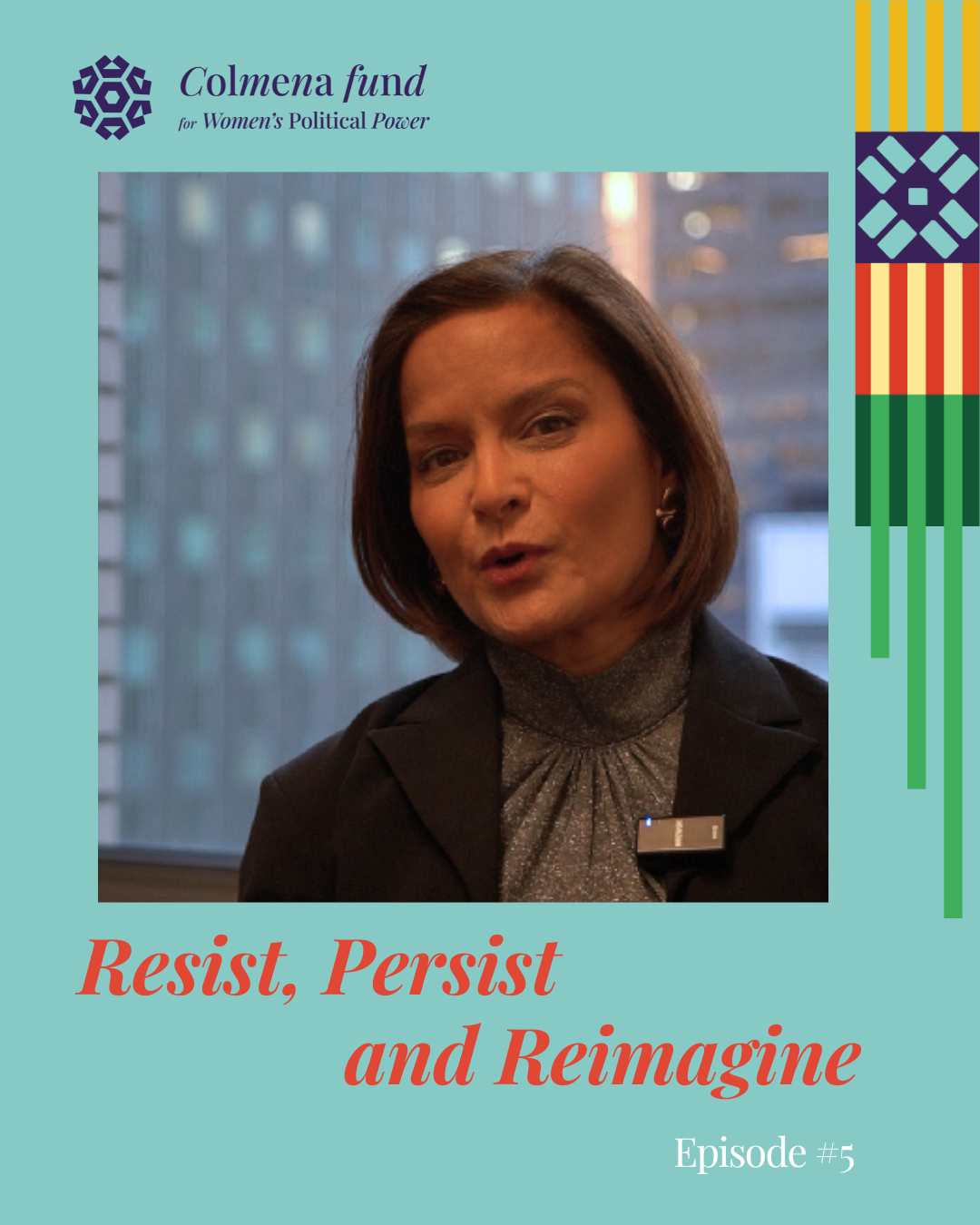
In episode 05 of Resist, Persist and Reimagine, the Colmena Fund podcast, we had the privilege of speaking with Laleh Ispahani, Managing Director of Programs at Open Society Foundations (OSF). Her career and life story reflect a profound commitment to democracy rooted not only in values, but in lived experience.
From Political Instability to Purposeful Action
Laleh Ispahani’s vision of democracy is not abstract—it’s deeply personal. She spent her childhood in Bangladesh, Pakistan, and Iran, surrounded by instability: “War, revolution, martial law”, she recalled, including witnessing “the hanging of a democratically elected president by an Army General”.
“These moments were very influential” in shaping her commitment to justice.
After completing her legal education in the United States, Laleh joined the American Civil Liberties Union (ACLU) as an advocate for “racial justice and human rights”. There, she worked to apply international human rights frameworks to U.S. challenges—issues like “anti-Blackness, over-incarceration, impunity around drugs, and gender inequality”. This intersection of law, race, and democracy continues to fuel her work today.
Political Philanthropy: A Unique Approach to Change
At OSF, Laleh leads efforts to “elevate democratic values, drive political reform, shape inclusive policy, and promote racial justice”. She describes OSF as a form of “political philanthropy”.
Not partisan, but intentional: “Understanding the political context is important for resolving any social or economic progress issues”. This means engaging with elected officials, activists, and movements to catalyze change in the right direction.
The Challenge of Underrepresentation: The Birth of the Colmena Fund
Despite some progress, women remain drastically underrepresented in decision-making spaces. Data shows that 99% of development aid and foundation grants never reach women’s rights organizations directly—and even less reaches groups led by LGBTQ+ people, Indigenous communities, or migrants.
This lack of direct funding is one of the biggest barriers facing women in politics.
In response, OSF launched the Women’s Political Leadership Fund in 2023, which has since evolved into the Colmena Fund for Women’s Political Power. Its mission is clear: “To bring critical funding and infrastructure to strengthen feminist and democratic women’s leadership, particularly for women from marginalized backgrounds across the Global South”.
Laleh highlighted the steep cost of entering political life for many women—including “the risk to their families, to their children, to their safety.”
“It was a much harder job for them. Number one, to get elected, and number two, when they are in office to stay in office. They are much more frequently the targets of harassment, intimidation and attacks”.
The Colmena Fund exists to bridge this gap—so these leaders can “succeed and thrive in those roles.”
The Inclusive Strength of Female Collaboration
Laleh emphasized a powerful truth: “When women make change, they bring everybody else along—it’s a very inclusive perspective women tend to have”.
She sees moments of crisis not just as rupture, but as opportunity—to place critical issues like climate, gender equity, and economic justice at the center of political debate.
For her, the progress women have made “cannot be eroded in this process of going forward, in the process of rebirth”. Women, she noted, bring a particular strength to this work: “One of the things women know how to do best: collaborate, coordinate, strategize together, work transnationally… because bringing everyone to a table is a strength women have”.
Redefining Democracy Beyond Elections
For Laleh, it’s time to expand our understanding of democracy: “You can have an election, even a free and fair one, and still have autocracy”.
A real democracy, she argues, must have depth: “It would have to have gender equity at its core, economic justice at its core, and the inclusion of historically marginalized people”. “Giving substantive meaning to democracy beyond elections—that gets you to a full definition of democracy”.
This, she says, is one of the “key pressure points we’re all dealing with: how to define democracy in the 21st century that gives it real meaning and makes it desirable to people at large”.
Join the #ColmenaHive: A Collective Effort
Building resilient, inclusive democracies is a shared task. Laleh Ispahani’s vision—and the work of the Colmena Fund—highlight the urgency and opportunity of supporting feminist leadership, especially of marginalized women in the Global South.
🎧 Listen to the full episode of Resist, Persist and Reimagine
🌐 Explore more about the Colmena Fund’s work
📲 Join the #ColmenaHive by following us on social media
Together, we can amplify feminist power—and reimagine democracy for all.