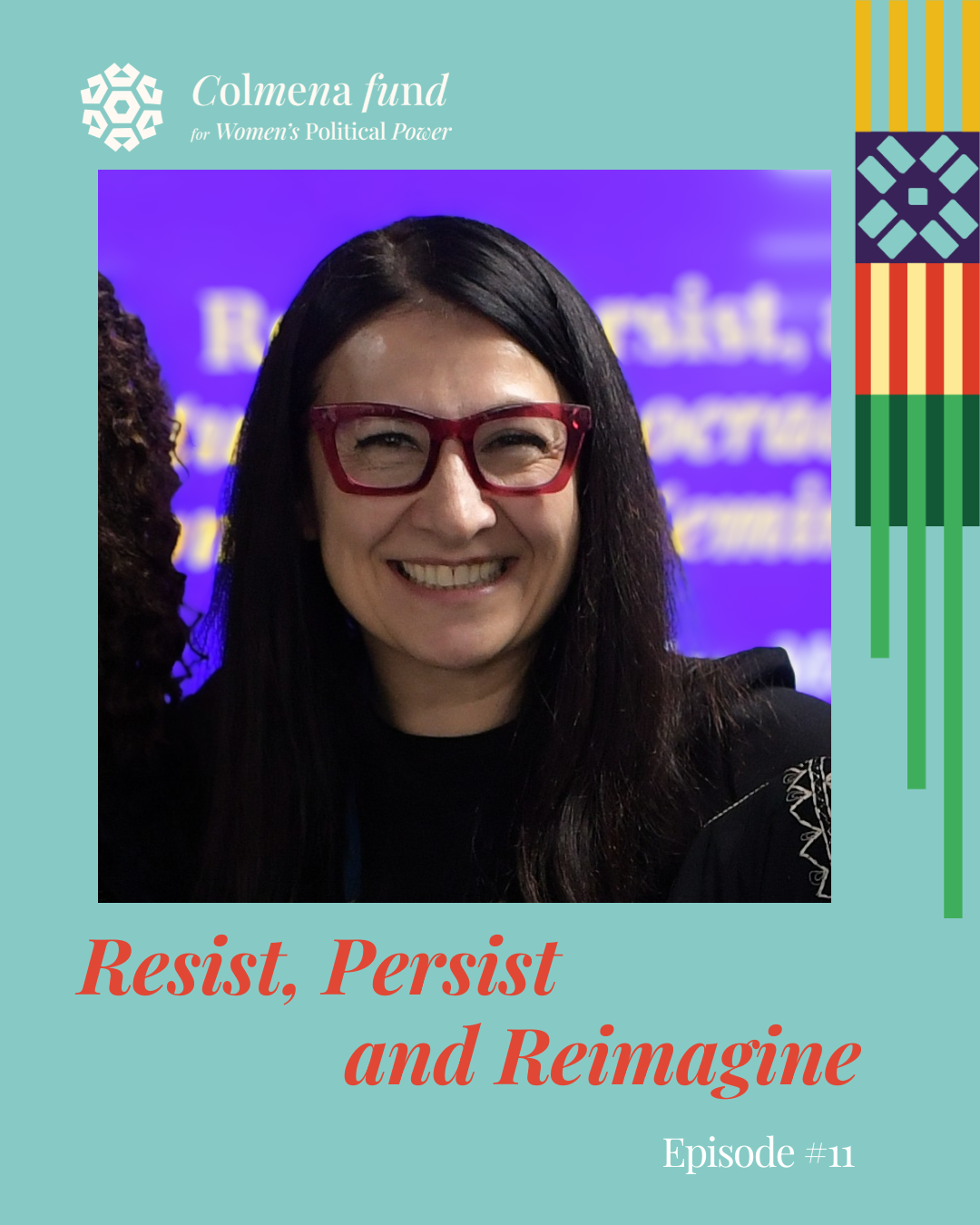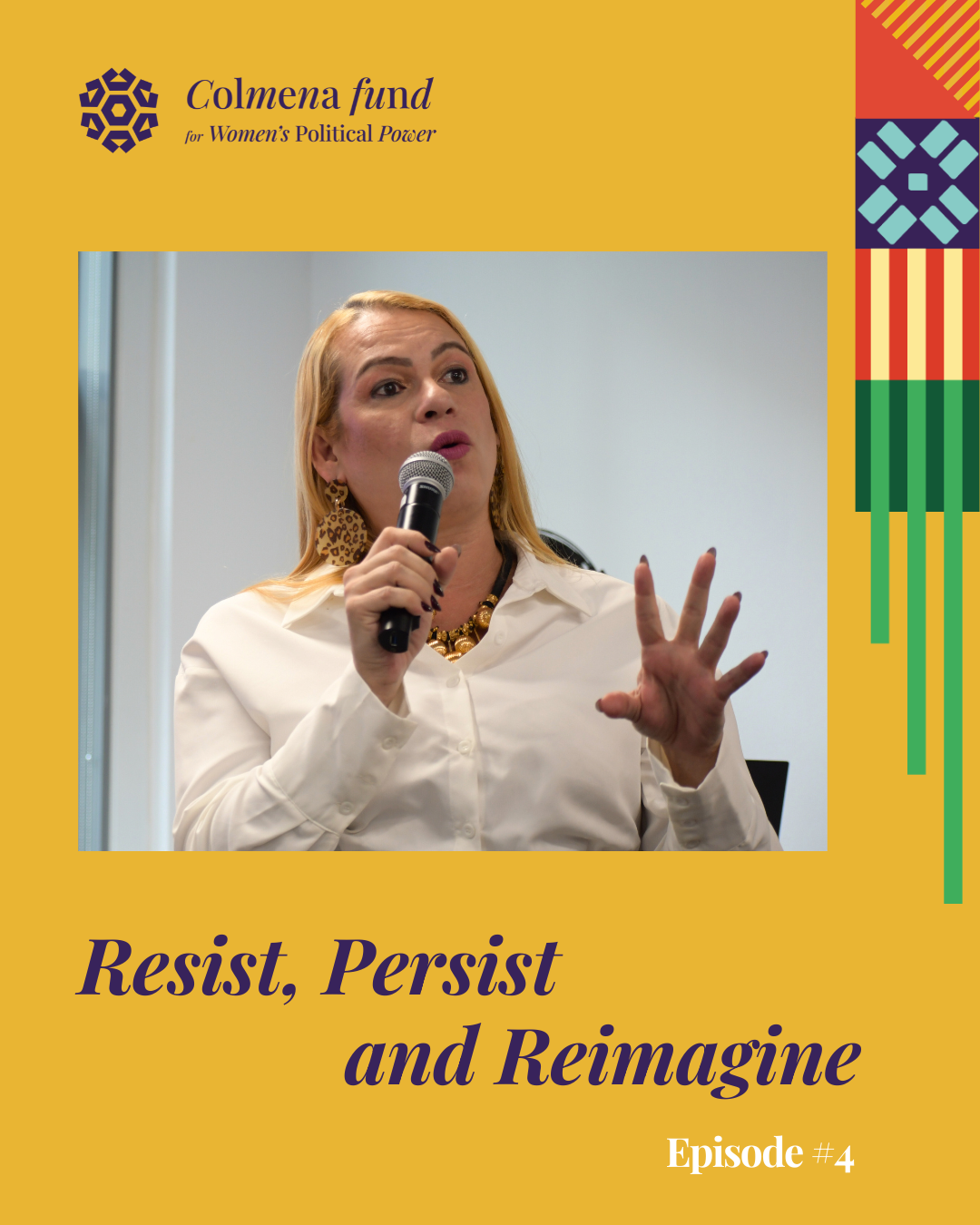
Brazil recently marked a historic milestone: for the first time, the federal government established a vice-ministry dedicated to LGBTQ+ rights. Leading this groundbreaking office is Symmy Larrat, a lifelong activist whose journey—from the Amazon to one of the highest-ranking LGBTQ+ positions in the country, and the region—is a powerful example of courage, persistence, and transformative leadership.
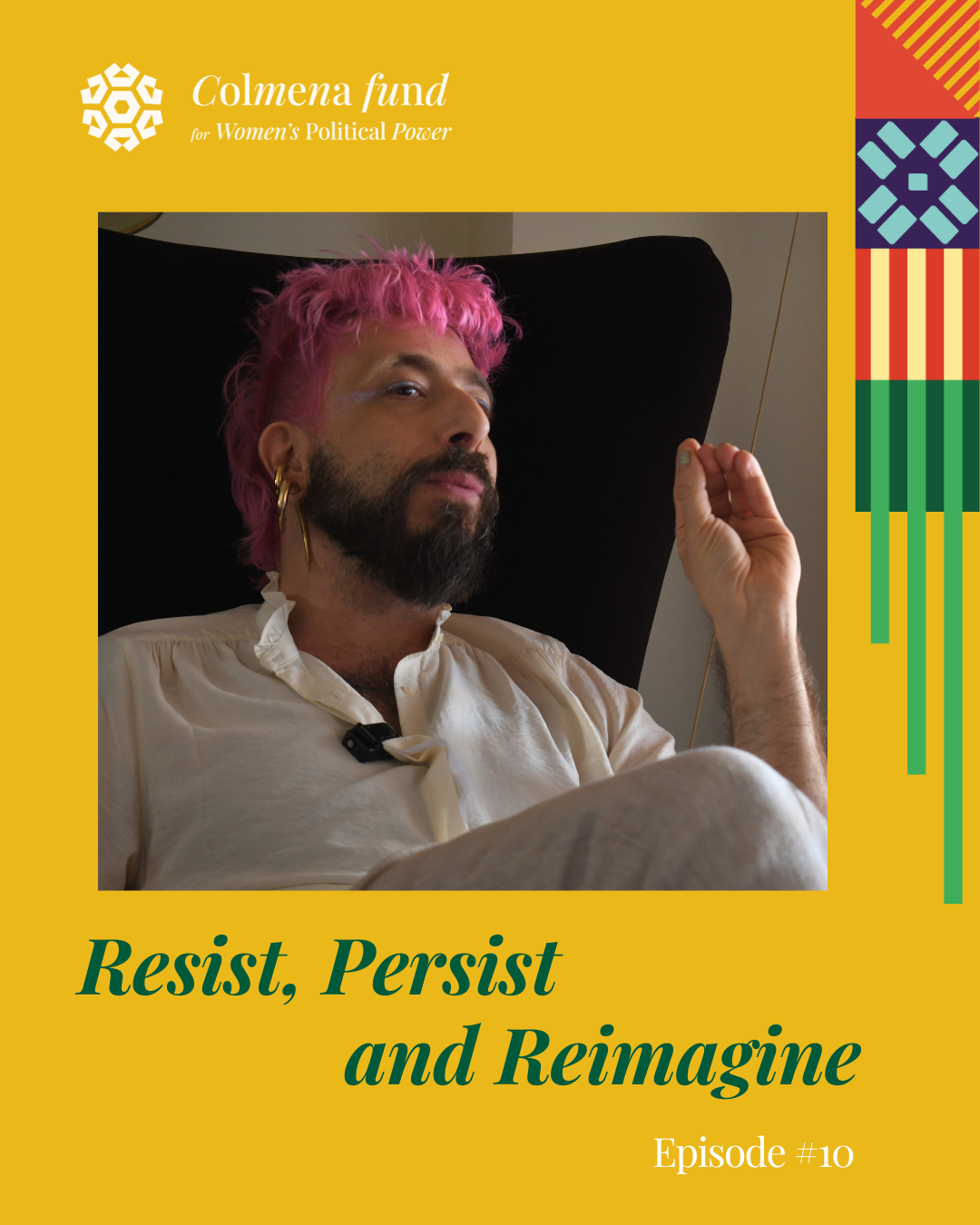
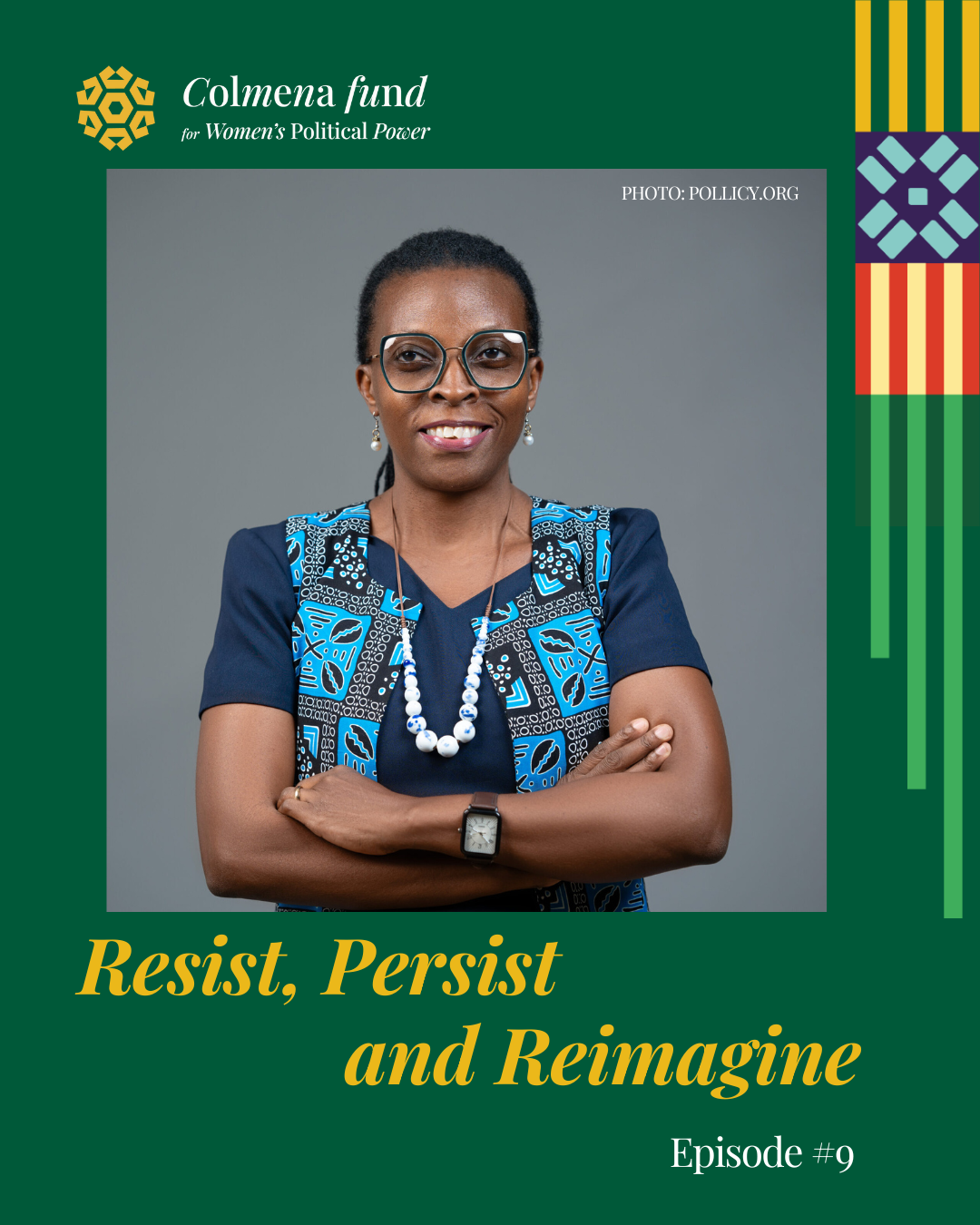
This piece is part of the latest episode of the Resist, Persist and Reimagine podcast by the Colmena Fund, where Symmy shares her story and her vision for a more just and inclusive democracy.
Growing up in the Amazon, Symmys experienced a “significant lack of public policies” and witnessed the “injustice and difficulty of accessing public services,” whether due to geography or prejudice. These experiences sparked her commitment to activism—starting in student organizations and expanding into political and LGBTQ+ movements.
“The struggle begins with two things: a belief that society and humanity are sick and in need of healing, and our own pain—the way prejudice personally impacts us and drives our political engagement”.
As a trans woman, Symmy faced the “extreme difficulty”—still present today—of trans people being able to “occupy spaces in society”. Because of that, she delayed her gender transition until she was 30 years old. Instead, she focused on organizing, and studying communication.
She also entered the LGBTQ+ movement through art, performing as a drag queen to “convey social critiques and express our aspirations for a different society”. This “political artistic engagement in the Amazon” opened the door for her to join the federal government in 2013.
Since then, Symmy has helped lead important initiatives like Transcidadania in São Paulo and Casarão da Diversidade in Bahia, supporting transgender people and building spaces for LGBTQ+ rights.
Symmy’s return to the federal government in 2023 marks a new chapter. Her current role, which she calls “an unprecedented action by the current administration,” is grounded in a comprehensive vision for LGBTQ+ rights that includes:
- Combating violence through policy reform and law enforcement training;
- Promoting dignified work through education and financial support;
- Providing shelter and support for LGBTQ+ individuals abandoned by family and the state.
“It’s a huge challenge,” she says—but one she faces with purpose and experience.
For Symmy, democracy isn’t just about voting or freedom of speech. It’s about the freedom to live as you are. “A democracy is not just a space where people can speak openly without fear of persecution. It’s a space where people can live as they are—with mutual respect, and without being punished for who they are”.
She also warns that freedom of speech should not be used to justify hate: “You can express your opinion—yes—but not at the expense of someone else’s dignity. Your opinion must not oppress another person”.
For her, a real democracy must guarantee both basic human rights and the right to information. Without access to “accurate, reliable information”, hate speech finds fertile ground. A “full democracy,” she says, is one where people can exist freely, because “our diversity is what makes society most valuable”.
She also talks about the barriers LGBTQ+ people—especially LGBTQ+ women—face in politics: starting with the belief that they are less capable simply because they don’t fit the norm. This makes it harder to be seen as full political actors. Political parties often invest in those who fit the norm, leaving LGBTQ+ people to “self-fund and create their own pathways to political participation”.
To change this, she says, we must make sure that people —outside LGBTQ+ communities— understand that: “We also have the capacity, the political know-how, to represent not only ourselves, but all of society, in the defense of a more egalitarian world”.
And she’s clear: it’s time to “create regulations that compel political structures to promote access to politics for LGBTQ+ people”.
She also raises an important issue: many LGBTQ+ rights in Brazil come from court decisions, not from national laws. These rights must be protected and expanded so they “also reach those in the peripheries of major cities, in Indigenous and quilombola territories, and in physically remote areas”, especially for “Black LGBTQ+ people, trans people, and those living in territories neglected by public policy”.
Finally, Symmy believes that philanthropy and civil society play a key role. LGBTQ+ movements need access to the same digital tools used by those spreading hate, like social media and artificial intelligence. She also considers that better rules are needed to manage online communications and stop hate speech.
“We must build networks between activists, government, and civil society. And we need to prepare LGBTQ+ people to understand how systems work—so they can occupy institutional spaces in even more powerful and strategic ways”.
Symmy Larrat’s leadership reminds us that democracy must include everyone—especially those who have been excluded. Her story is both inspiring and urgent. It calls on all of us to help build a future where diversity is not feared, but celebrated.
🎧 Want to hear more? Listen to Symmy Larrat’s full story on episode 03 of the Resist, Persist and Reimagine podcast by the Colmena Fund. It’s a conversation full of insight, courage, and hope.