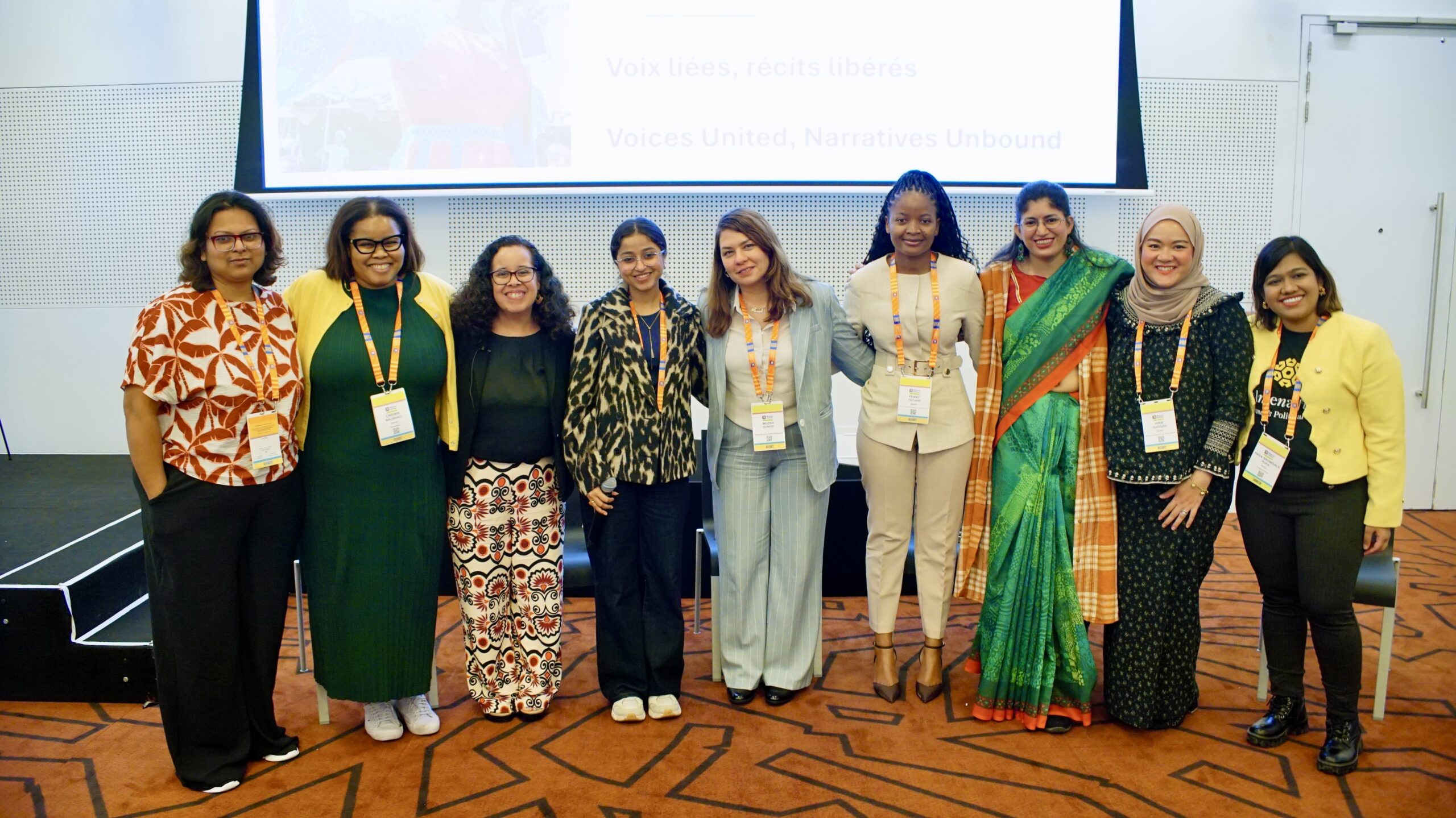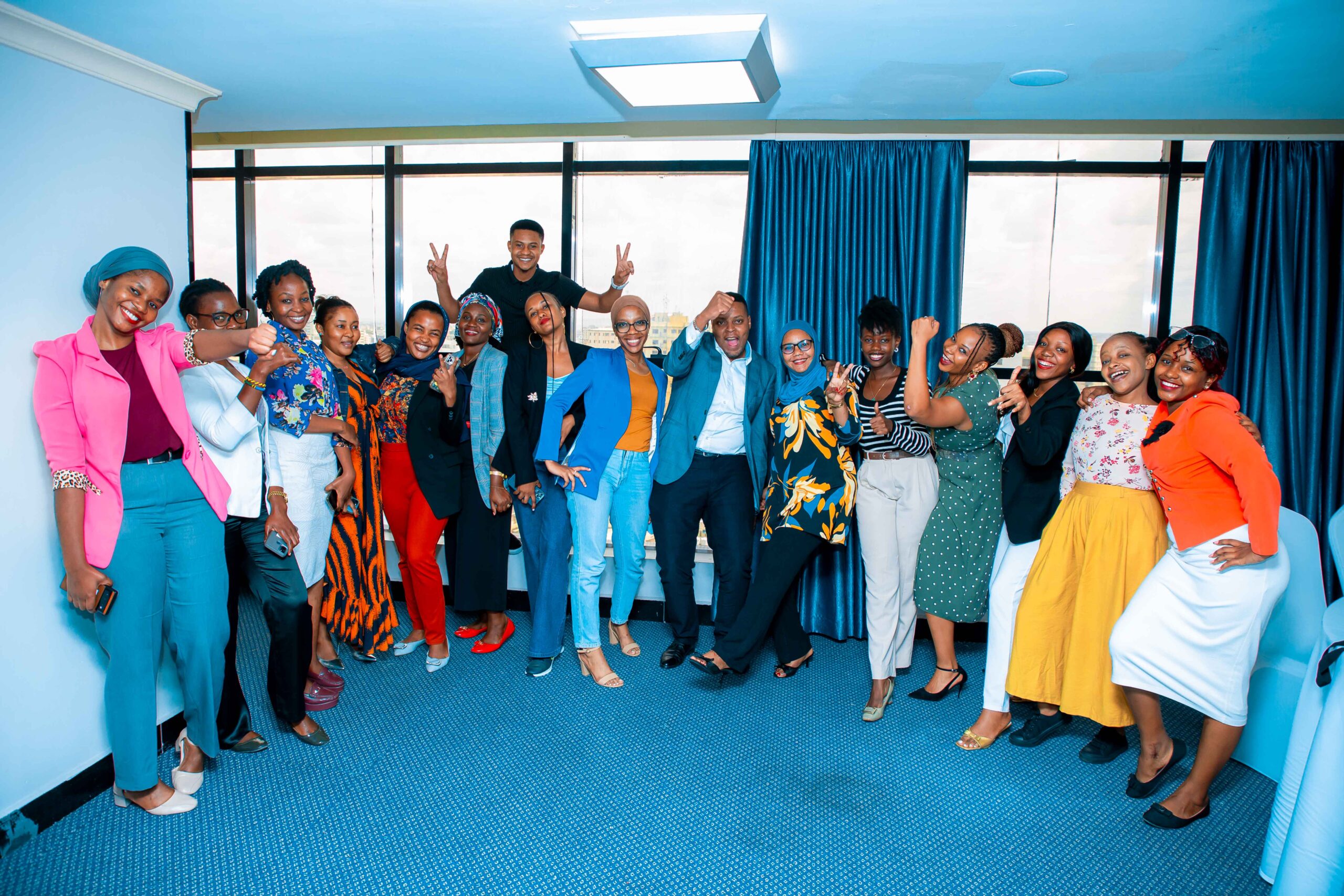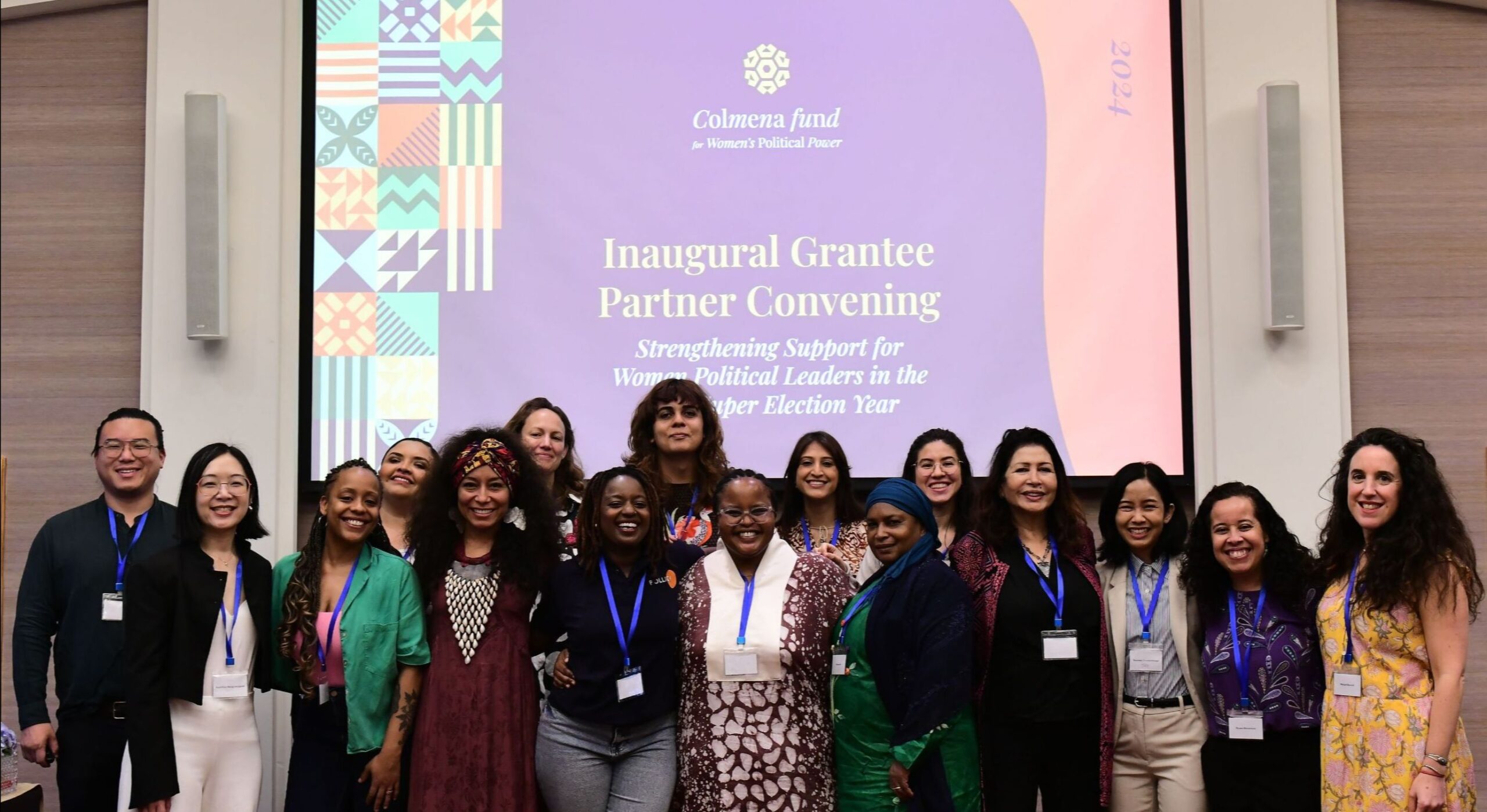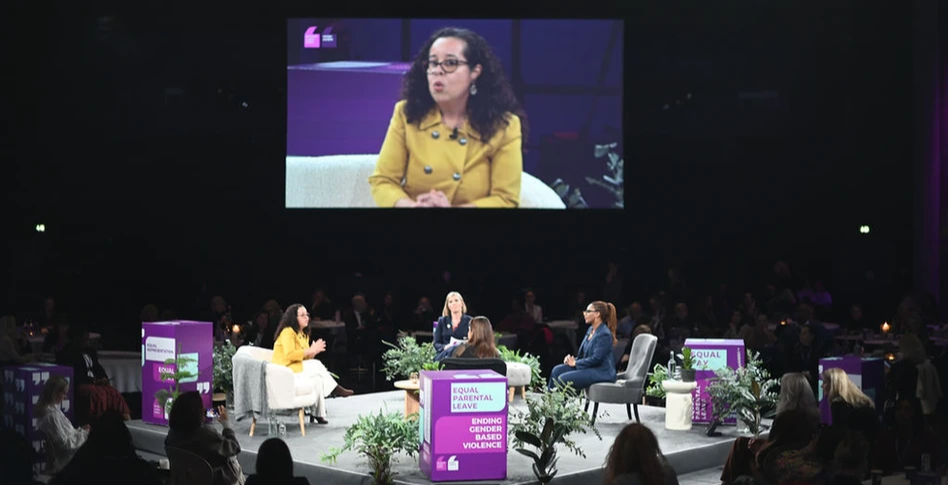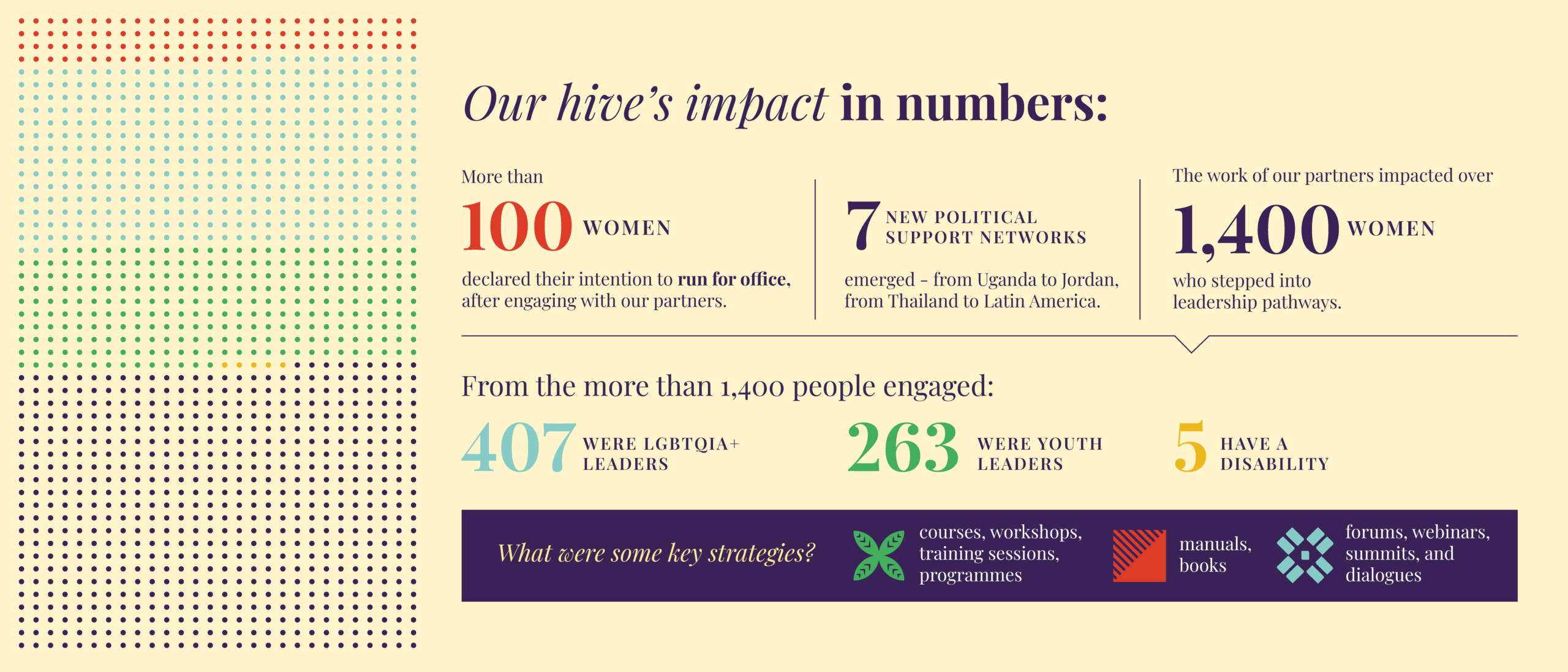
In our 2025 end-of-year update, we reported that Colmena Fund partners engaged 1,467 individuals across Latin America, Africa, the Middle East, and Southeast Asia. Most significantly, over 100 women announced their run for office.
Now, we are moving from the statistics to the stories behind them: the narratives of movement-building and realized power.
Stories of Change
Jordan – Transforming the Legal System
Maha, a law student, joined AWO’s youth capacity-building training with the aim of improving her advocacy and communication skills. Before participating, her understanding of law was primarily academic, focused on legal definitions and procedures rather than their human and social implications. Although she came from a supportive family that encouraged her to pursue education and community engagement, she had not yet connected her legal studies to the lived realities of women facing discrimination and violence.
Through AWO’s intensive three-day training on gender equality, gender-based violence (GBV), political participation, and advocacy, Maha gained new perspectives on how social norms and discriminatory laws intersect to sustain inequality. The discussions about women’s experiences and the legal gaps that fail to protect them deeply resonated with her. For the first time, she saw how her future profession could become a tool for gender equality and social justice. She expressed during the training that understanding the gender dimension in law completely changed how she views the legal system and her own role within it.
Following the training, Maha decided to specialize in women’s rights and dedicate her legal career to defending women who face gender-based violence and discrimination. While completing her law studies, she is developing a plan to focus on reforming discriminatory laws against women and girls and actively seeks volunteer opportunities with organizations that advocate for women’s rights and gender equality. Among her peers, she continues to inspire others to challenge discriminatory practices and promote gender-sensitive legal reform.
Kenya – From Supporter to Candidate
Cynthia joined the East Africa Public Leadership Programme with the intention of supporting political candidates with their political communications. She had no intention of running for political office because she believed that she was not capable and did not have the skill set.
Throughout the programme, Cynthia was one of our most transformative fellows, who, after our Seminar on “Political Campaigns and Grassroots Mobilising”, challenged herself to join a political party and to seek leadership in a ward community project.
Cynthia surprised us all by deciding to run for elected office in 2027 and is now at the forefront of community campaigns. She was recently appointed to run community engagement projects in Kilimani, which speaks powerfully to her growing influence in her ward.
South Africa – From Discouragement to Determination
Thandi was a passionate young community leader from one of South Africa’s poorest townships. She believed in her community’s potential and worked diligently to improve its conditions. Yet, her political journey was marked by frustration and exclusion. Despite winning the primaries to represent her party in the previous election, she was sidelined in favour of a male candidate. This experience left her frustrated, disillusioned, and disoriented.
When Thandi joined the Futurelect Public Leadership Programme, she had almost given up on politics altogether. But through the programme, her perspective began to shift. She discovered practical strategies for navigating political systems and gained a deeper understanding of the relationship between power, money, and politics. She also understood what it meant to lead from a place of healing in a wounded and disenfranchised community like hers.
Today, Thandi is preparing to run for office again in the 2026/27 local government election in South Africa, only this time under a political party that reflects her values. She speaks with renewed confidence, grounded in her belief that women like her can and must lead change in their communities. The programme reignited her hope, and her journey reflects the impact of empowering women to persist, even when systems fail them.
Thailand – From “Backstage Architect” to Frontline Leader
ND traveled from Southern Thailand with modest ambitions: to become the best possible supporter for other candidates in her region. Using her own fundraised money for transportation and accommodation, she arrived at the academy convinced her role was to remain invisible, a backstage architect helping others shine. Years of cultural conditioning had taught her that good women support but don’t lead, especially in the male-dominated political landscape of Thailand’s Southern part.
The transformation began unexpectedly during Module 1’s storytelling sessions. While sharing her experiences, ND’s voice wavered as she described her community’s challenges: educational disparities, limited women’s economic opportunities, and political underrepresentation. She felt intimidated when comparing herself to participants from Bangkok with their polished presentations and political connections.
But something remarkable happened. Rather than competing, her cohort sisters recognized her unique insights about grassroots mobilization. They pointed out how her fundraising journey itself demonstrated exceptional leadership. During policy design workshops, they insisted she lead discussions on rural development because “you actually understand what village women need.” This wasn’t mere encouragement, it was recognition of expertise she couldn’t see in herself.
Today, ND orchestrates change across Southern provinces, conducting policy training sessions she once believed herself unqualified to lead. She’s developed a hybrid model—sometimes supporting her cohort sisters’ campaigns, other times leading community forums back home. Her transformation means that the southern region now has a woman who translates national policies into local action. She hasn’t abandoned her supporter role; she’s redefined it. Supporting others and leading, she’s discovered, aren’t mutually exclusive, they’re powerfully complementary.
Tunisia – Finding Her Voice in Parliament
Sara was often reluctant to take the floor during the plenary sessions at the parliament. When she did, she had stage fear and stumbled on words; her voice was soft, and she was unable to detach herself from her notes. Sara is an intelligent well-read young woman. It was her first term in office and she had only used prepared speeches during her campaign. She envied her colleagues who were well spoken and convincing. She said that her ideas and suggestions would be well received if she could deliver them more confidently.
After attending Kadirat’s Communication Workshop and learning new skills, Sara would go back and rehearse intensively. She brought Kadirat a video showing her performance before and after the training. Kadirat staff observed a big improvement and her regained confidence. Kadirat is sure that Sara will continue improving with the peer-to-peer coaching it is delivering next year.
Uganda – Conquering the Digital Divide
Charity was a young woman leader aspiring for youth national representation, whose campaigning and electorate engagement were largely online. Despite the digital engagement need, Charity feared posting anything of herself, both in text and visual, on social media for fear of cyberbullying and hate speech. Neither her nomination process nor her youth political engagements went online despite having all the photos and videos on her phone.
Following the support network establishment, Charity reported that the knowledge and experiences shared by fellow women in politics encouraged her to overcome her fears, but she also knew that fellow candidates in the workshop through the support network had her back in case of any digital abuse.
Charity posted all her nomination process photos and videos on social media and committed to updating her social media daily without fear of the negative and unknown within the digital platforms.
Our Strategic Path
Behind these stories, our efforts focus on two main goals:
- Expanding Representation: We stand with those who have been pushed to the sidelines -including Afro-descendant women, LGBTQIA+ people, Indigenous communities, persons with disabilities, and youth- as they break through barriers and claim their seats at the table.
- Building Support Systems: We are strengthening the infrastructure needed for leadership to last, from mental health and digital safety to legal aid and shared feminist tools across borders.
The power of this work is seen as diverse women harness their own agency. These stories prove that when marginalized women have the right skills and networks, they do more than just enter politics, they redefine them.